
The History of Candles – From Animal Fat to High-Tech Waxes
Candles have existed since the beginning of human history. In the Stone Age, people used primitive oil lamps for lighting. Today’s candle developed over centuries.
- 3000 BCE: The ancient Egyptians dipped reeds in melted animal fat – the birth of the candle.
- 500 BCE: In China, candles were made from whale fat, while in ancient Rome, tallow was used.
- 14th Century: The invention of the beeswax candle revolutionized lighting in Europe.
- 18th Century: Spermaceti, extracted from the heads of sperm whales, became a sought-after candle material.
- 19th Century: The discovery of stearin (1830s) and paraffin (1850s) ushered in the modern age of candle making.
What Are Candles Made of Today? The Main Components in Detail
The Fuel – The Heart of the Candle
The fuel forms the body of the candle and is crucial for its quality. The most common materials:
- Paraffin: This byproduct of petroleum refining is the all-rounder among candle materials. It’s moldable, absorbs colors and scents well, and burns reliably. However, it’s criticized for its fossil-fuel origin.
- Beeswax: A natural product! Beeswax candles emit a subtle honey scent and even purify the air by releasing negative ions. They burn longer than paraffin candles and barely drip.
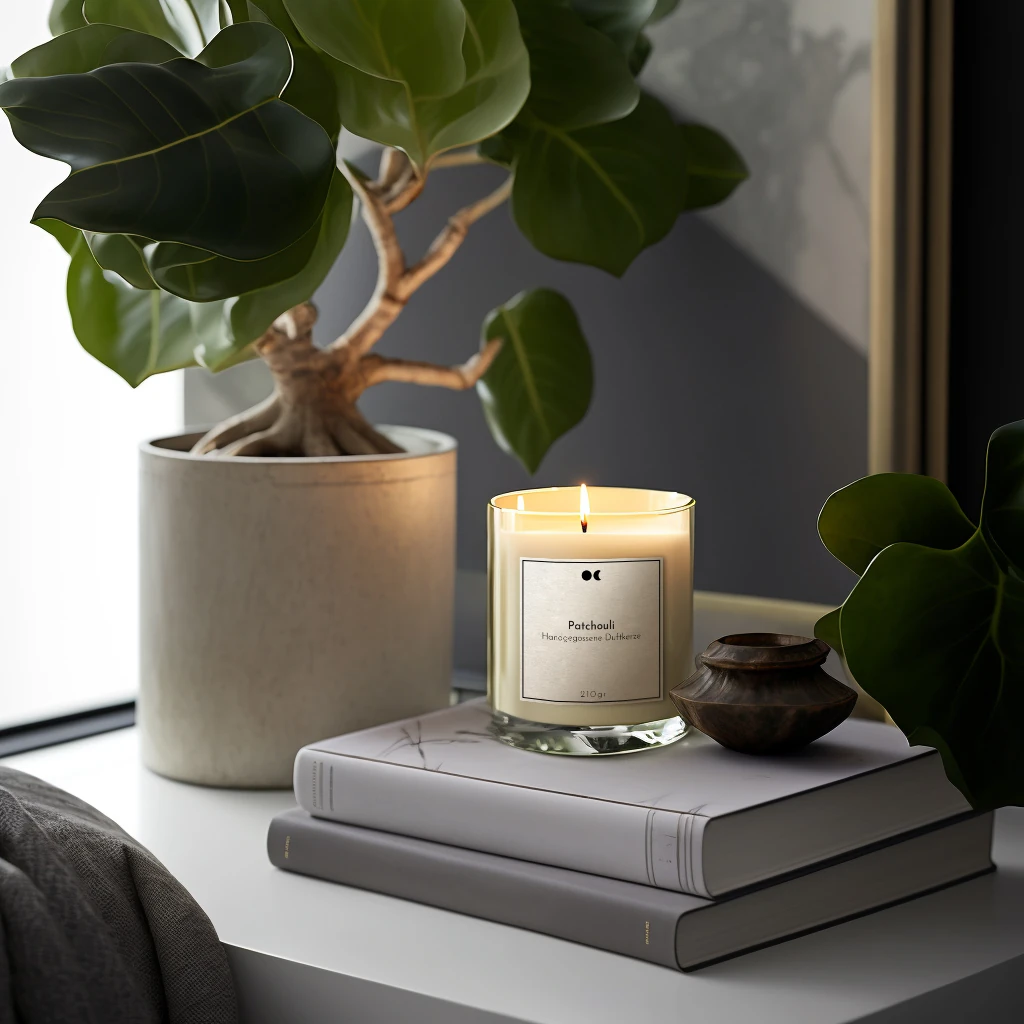
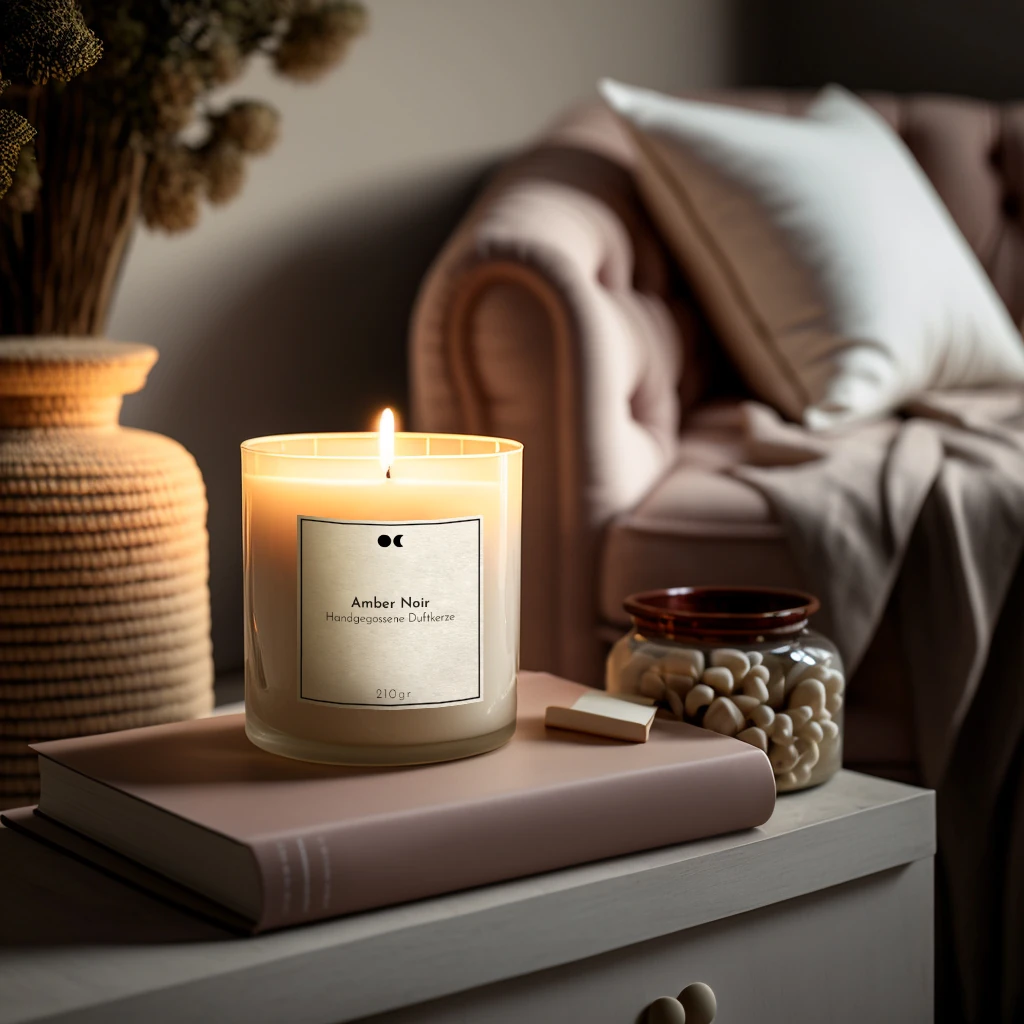
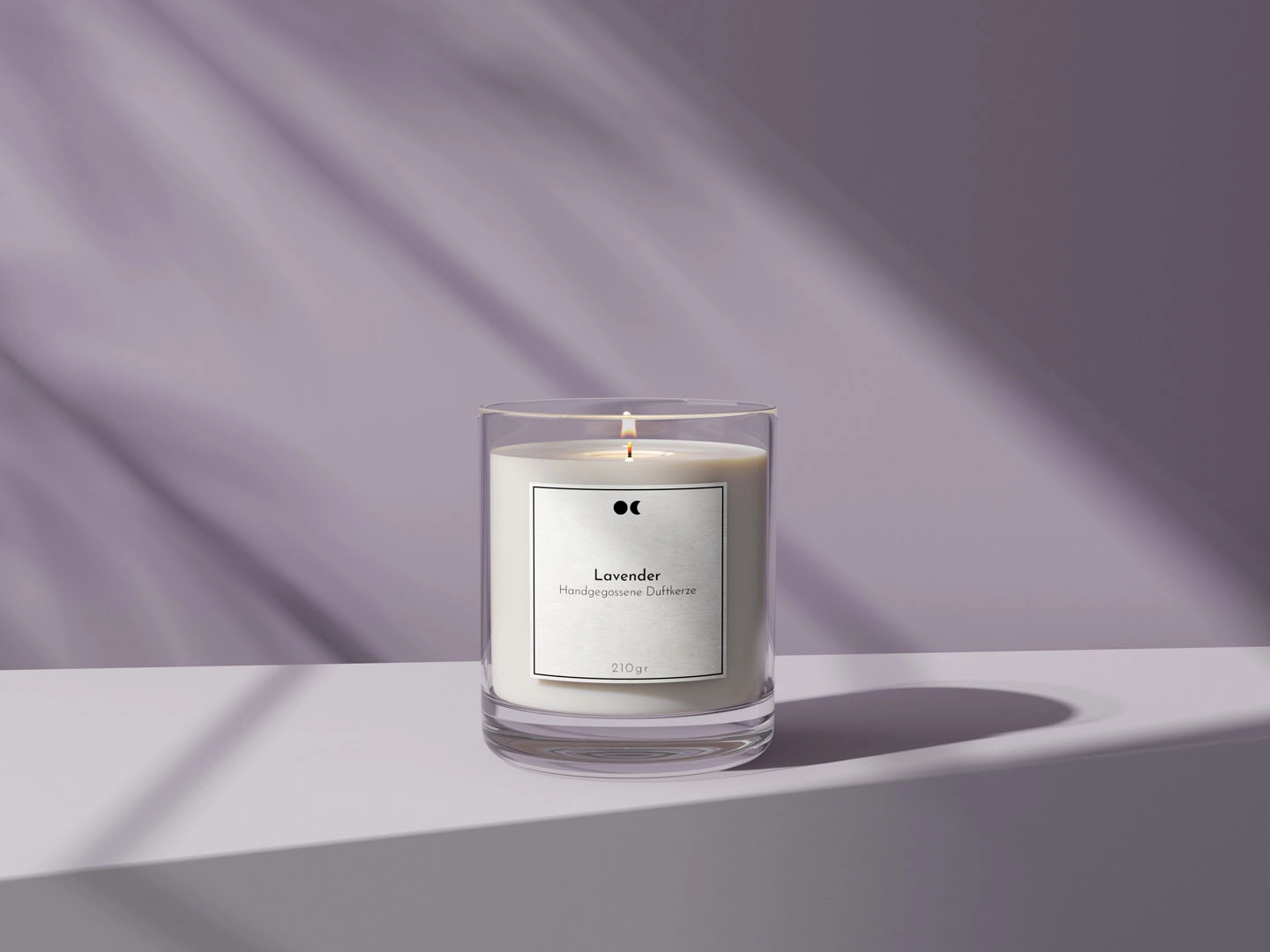
- Soy wax: The newcomer among candle materials! Derived from soybean oil, it’s biodegradable and renewable. Soy wax candles burn cleanly and for a long time, absorb scents well, and are an environmentally friendly alternative.
- Stearin wax: This material is obtained from plant or animal fats and is often used in mixtures. It makes candles harder and increases the melting point.
The Wick – Important Function
The wick is an essential part of every candle. It transports the liquid fuel upward, where it evaporates and forms the characteristic flame. Modern wicks are usually made of braided cotton and are often treated with borax or other chemicals to ensure even burning.
Fun Fact: In the 19th century, there were candles with wooden wicks. They crackled when burning like a small fireplace!
Candle Manufacturing Process
Making a candle combines science and craftsmanship. The process:
Coloring
To make candles colorful, pigments are added to the wax. These can be of natural origin, such as dyes extracted from plants, or synthetically produced. The right amount is important – too much dye can impair the burning properties.
Fragrance Composition
Scented candles are particularly popular. The fragrance mixtures often consist of a complex combination of essential oils and synthetic fragrances. Interestingly, some scents can shorten a candle’s burning time, while others can even extend it!
Current Developments in Candle Materials
The candle industry is constantly looking for better, more sustainable materials. Some new developments:
- Algae candles: Researchers are working on candles made from algae wax, which can be produced in a carbon-neutral way.
- Upcycled waxes: Innovative waxes are being derived from food waste such as coffee grounds or orange peels.
- Hybrid waxes: Mixtures of various plant oils promise optimal burning properties with maximum sustainability.
Lumond Candles – Environmentally Friendly Alternative
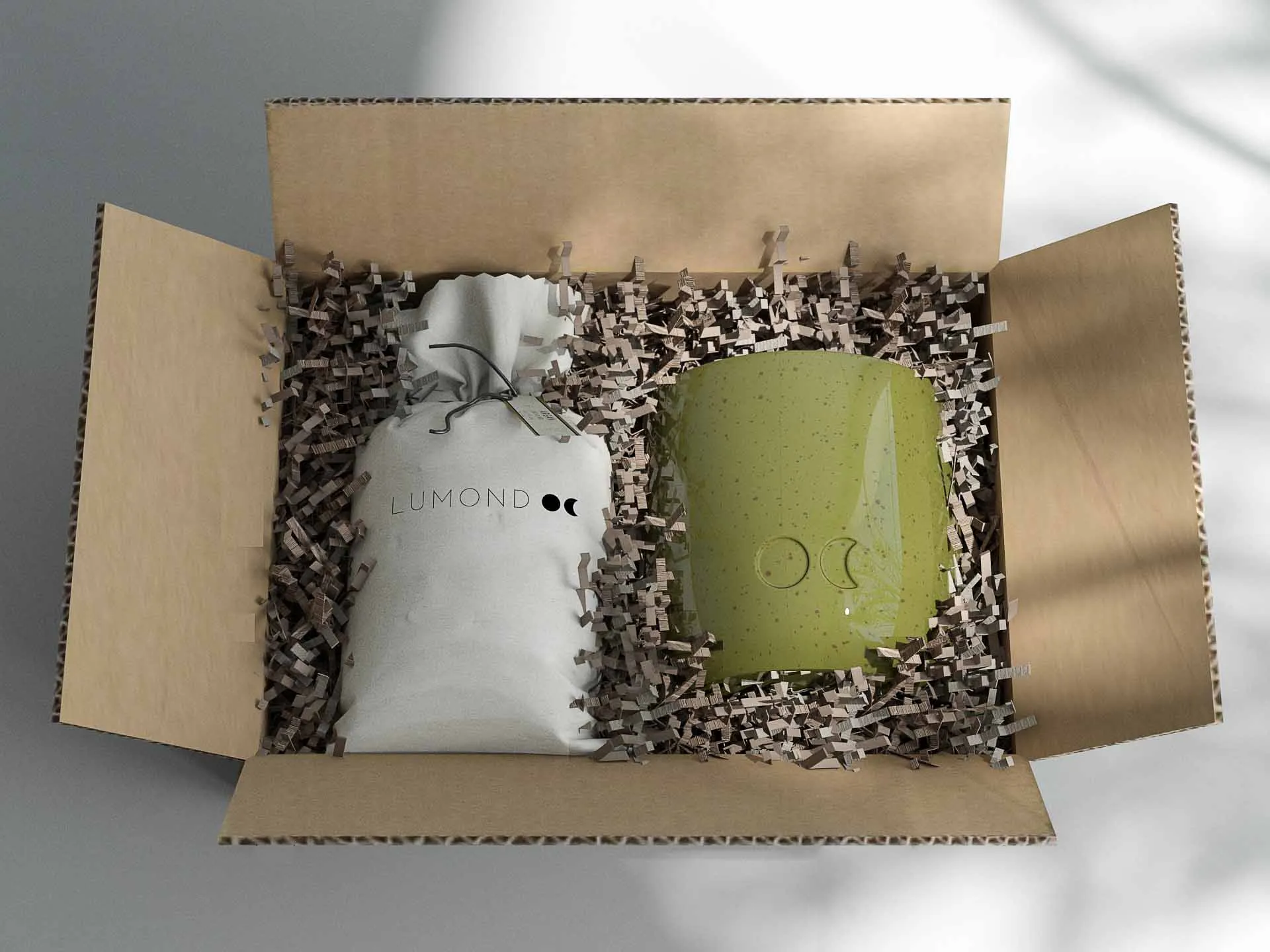
A special brand: Lumond. These candles showcase the possibilities of modern candle making.
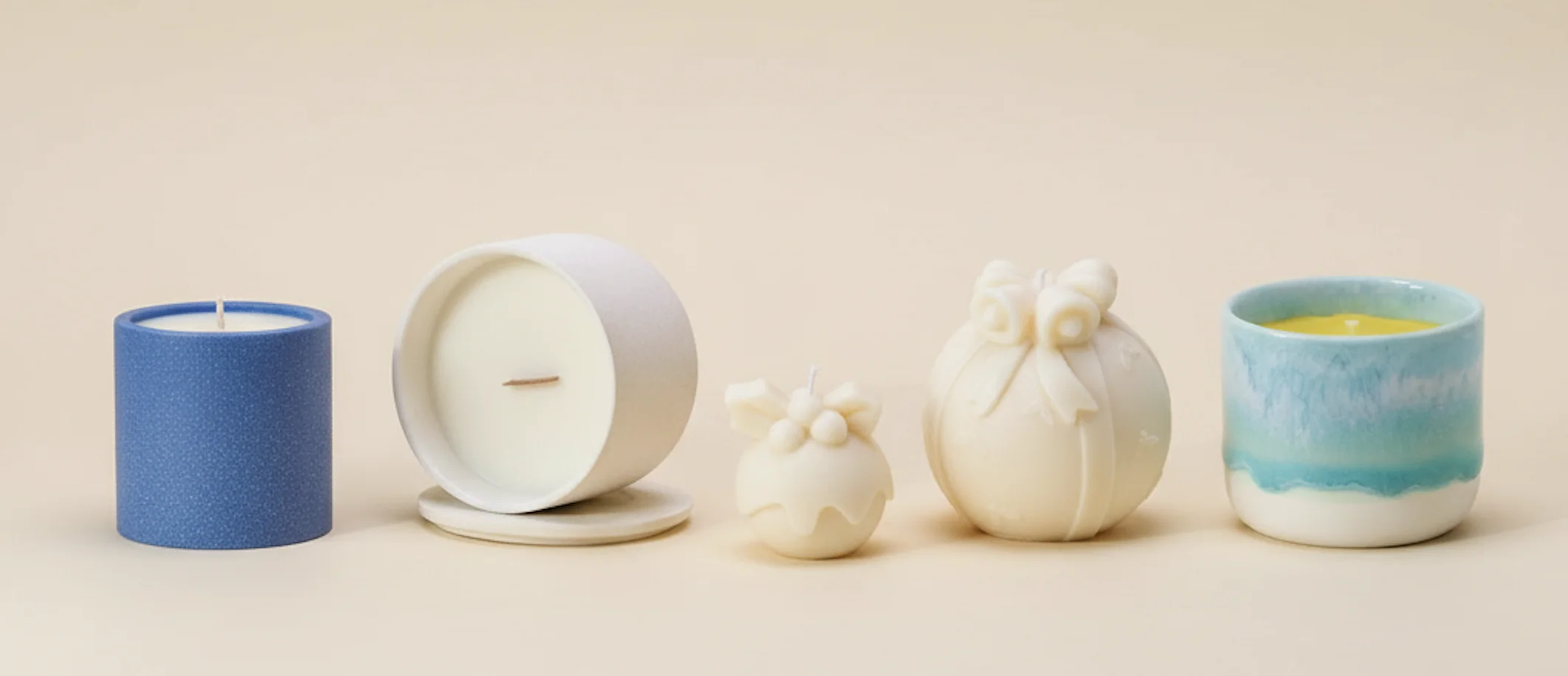
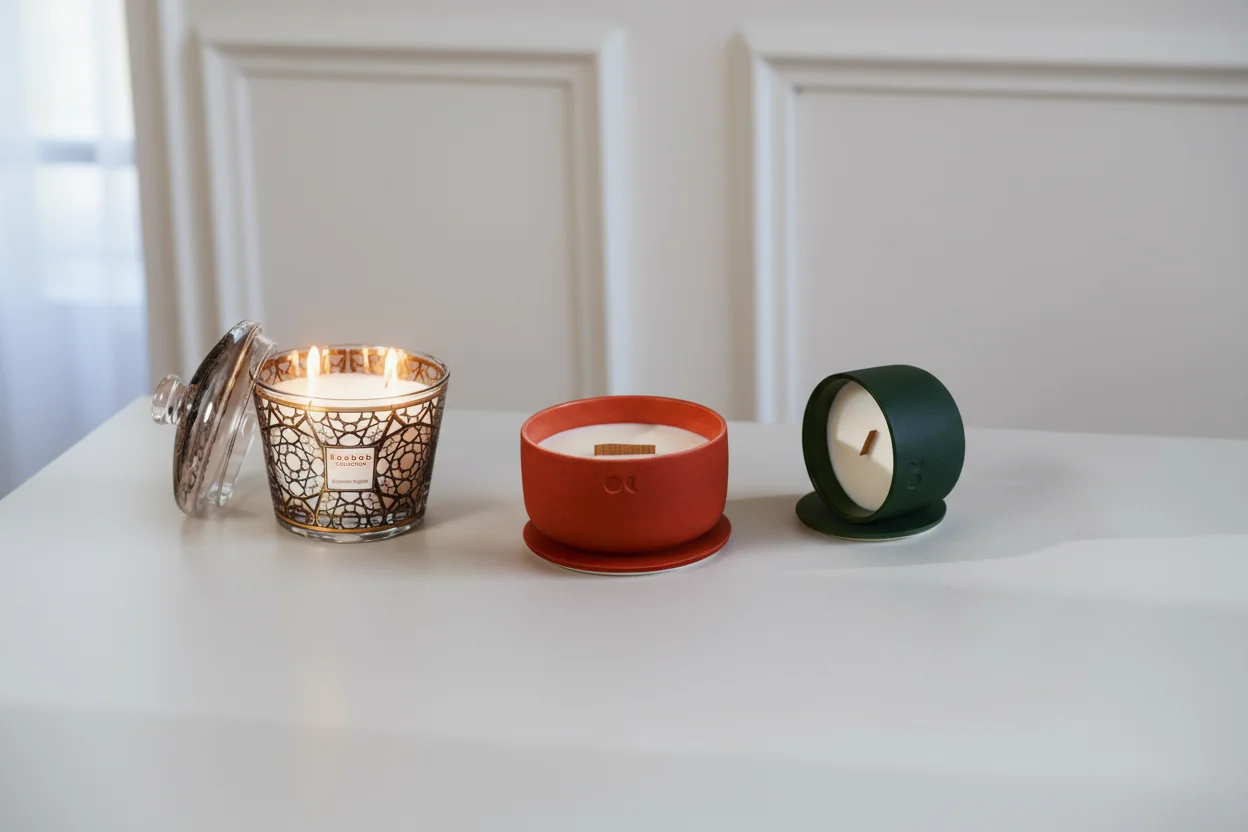
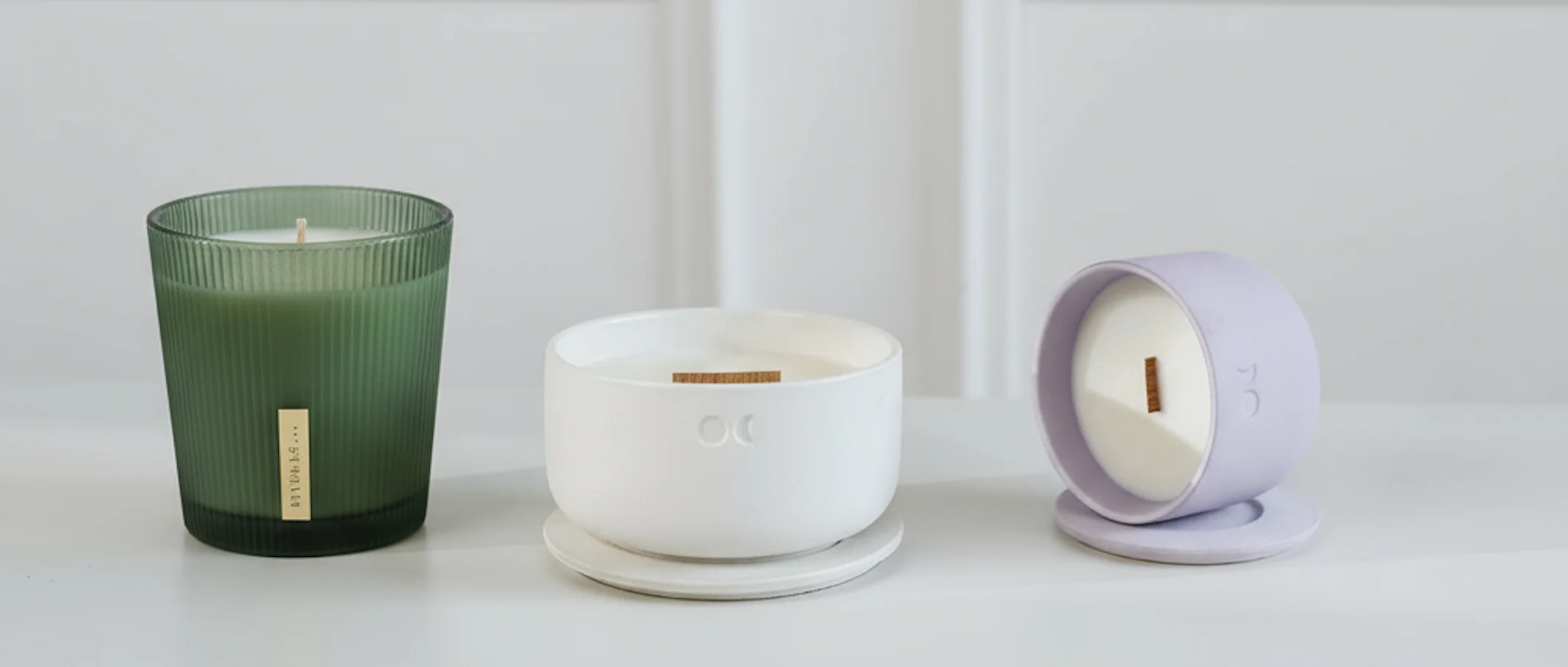
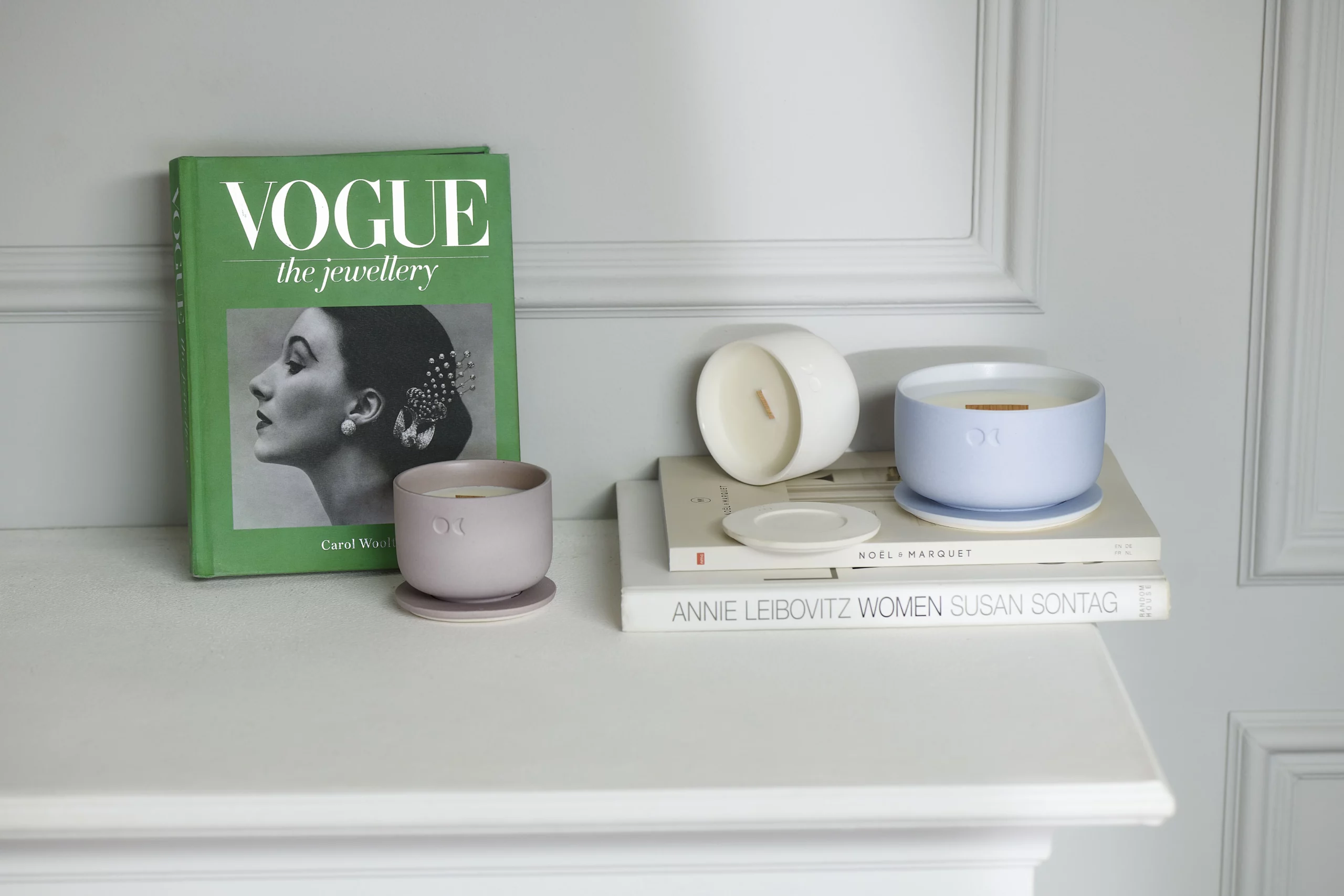
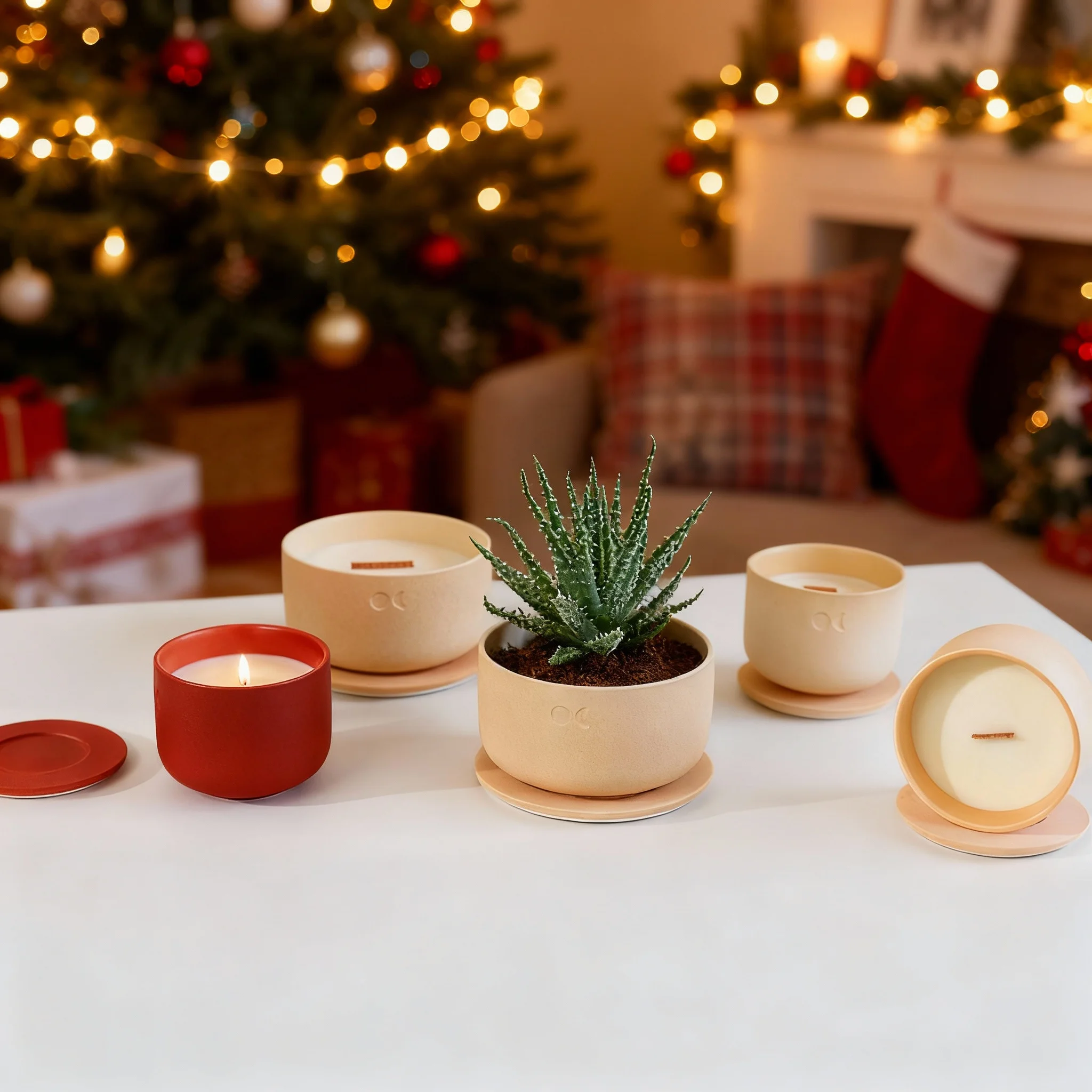
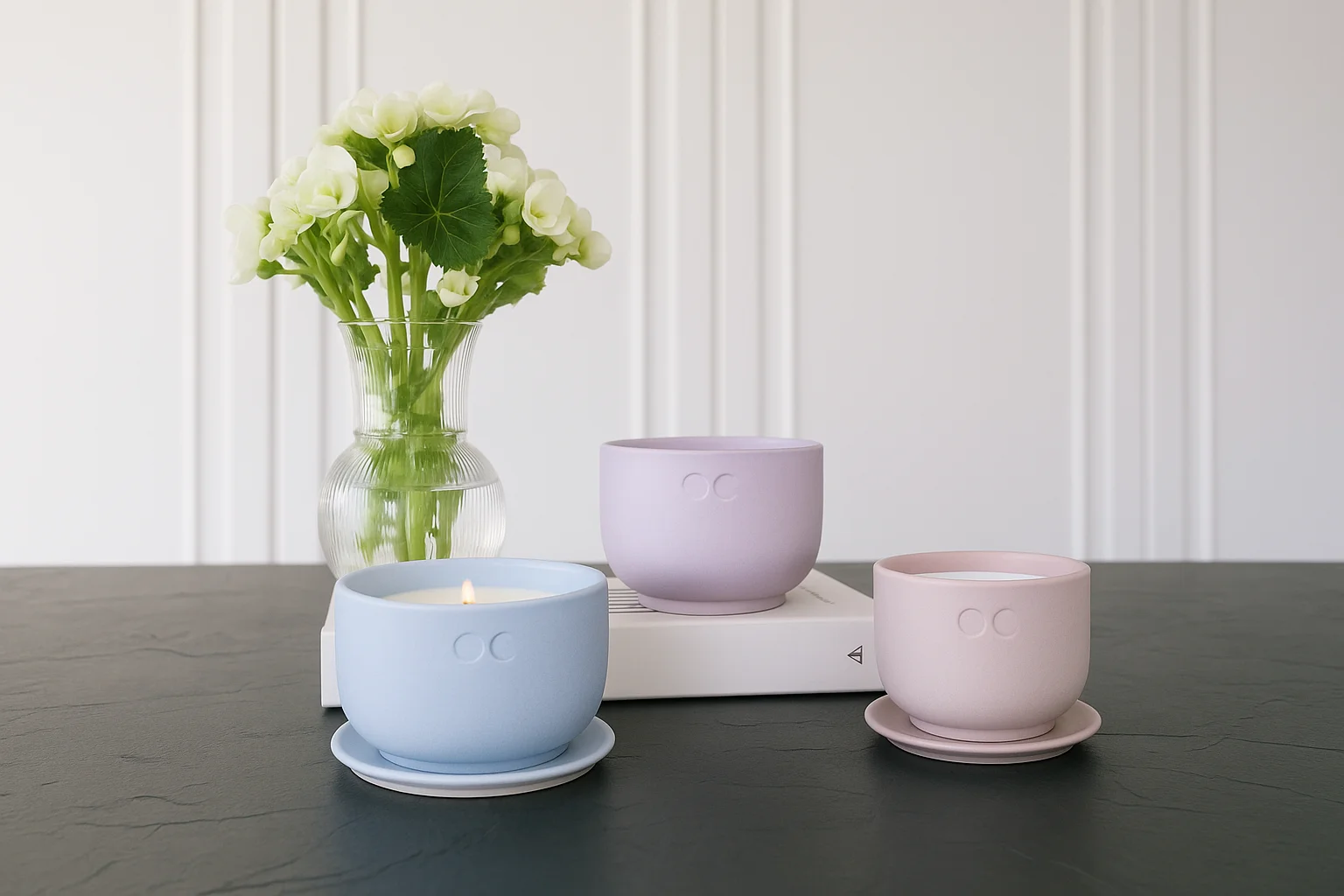
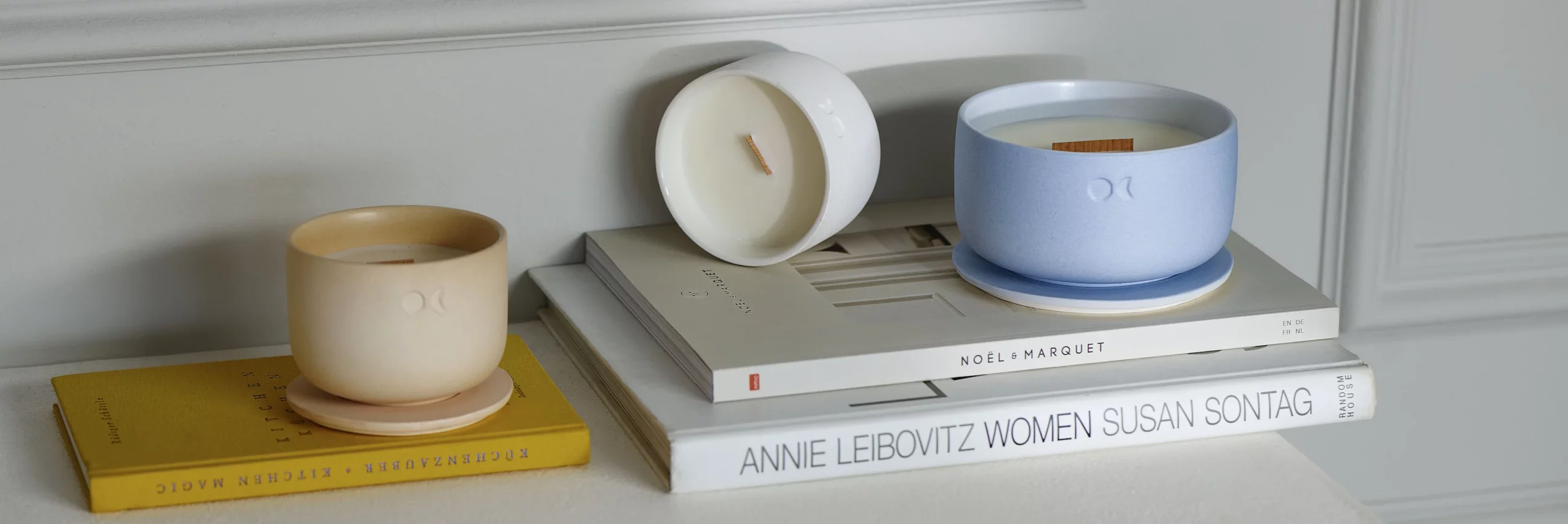
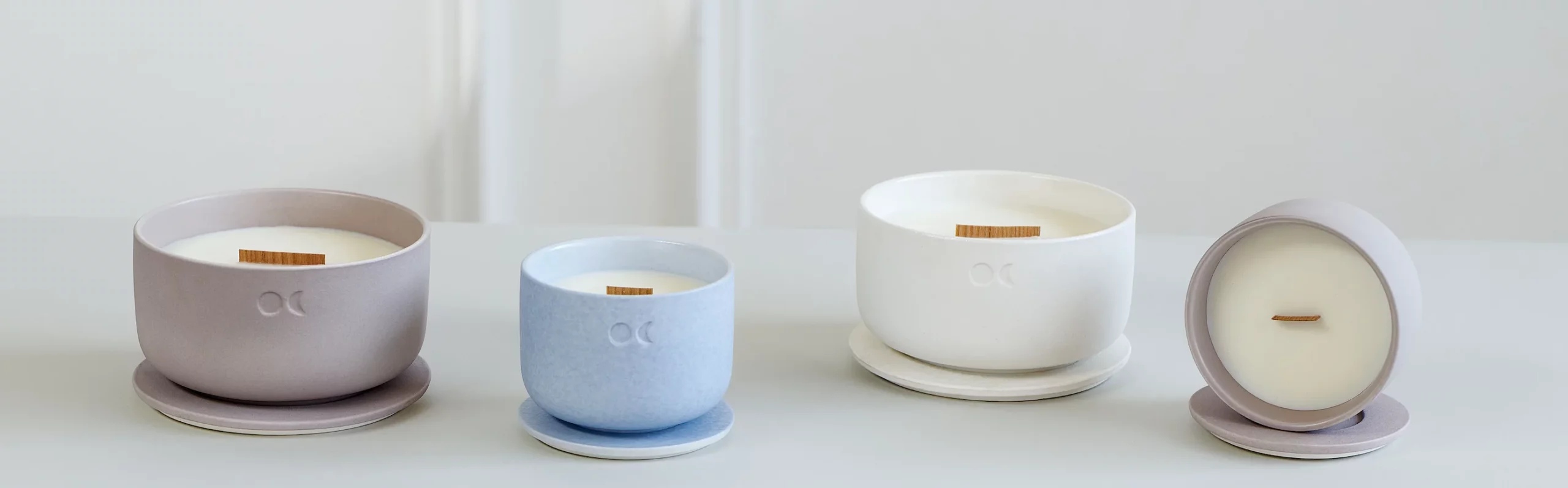
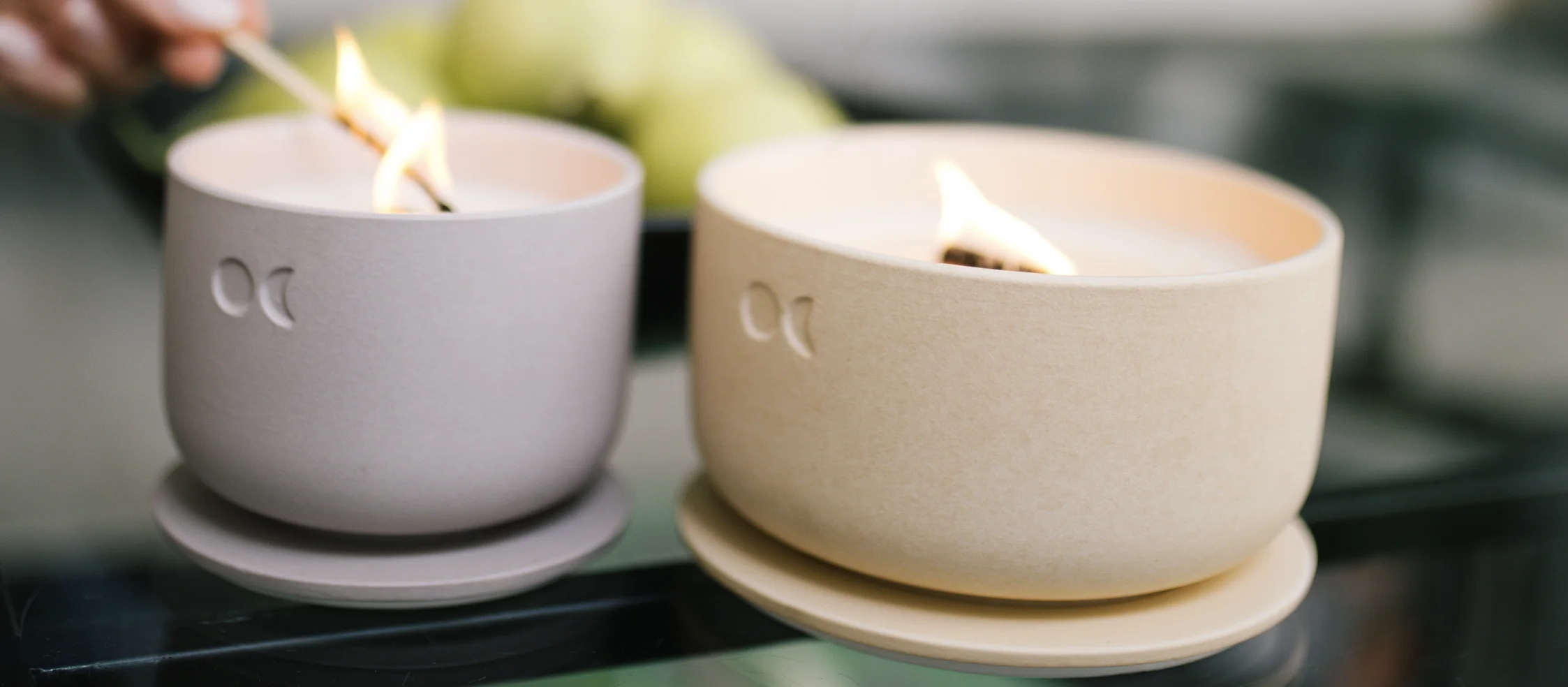
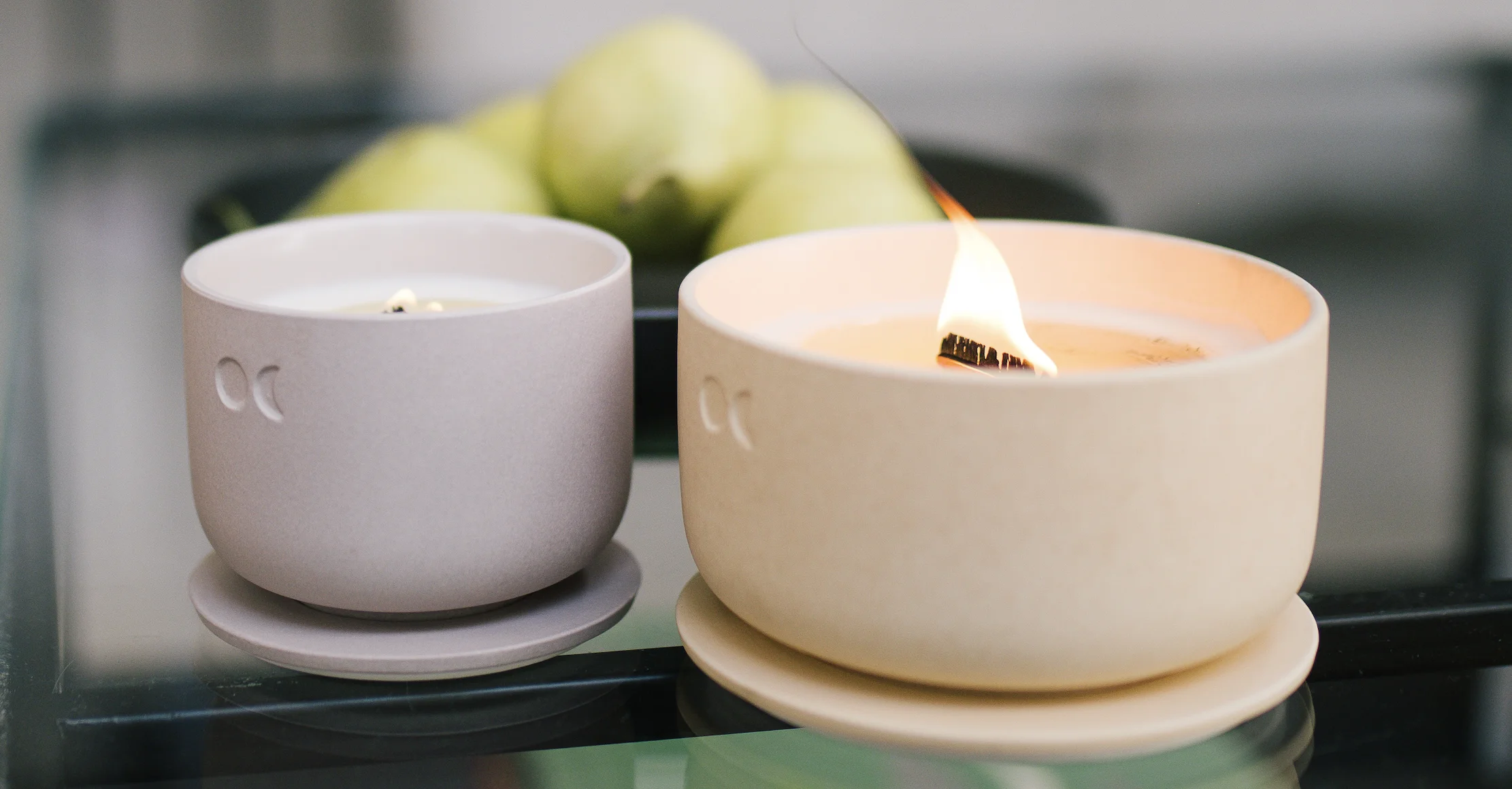
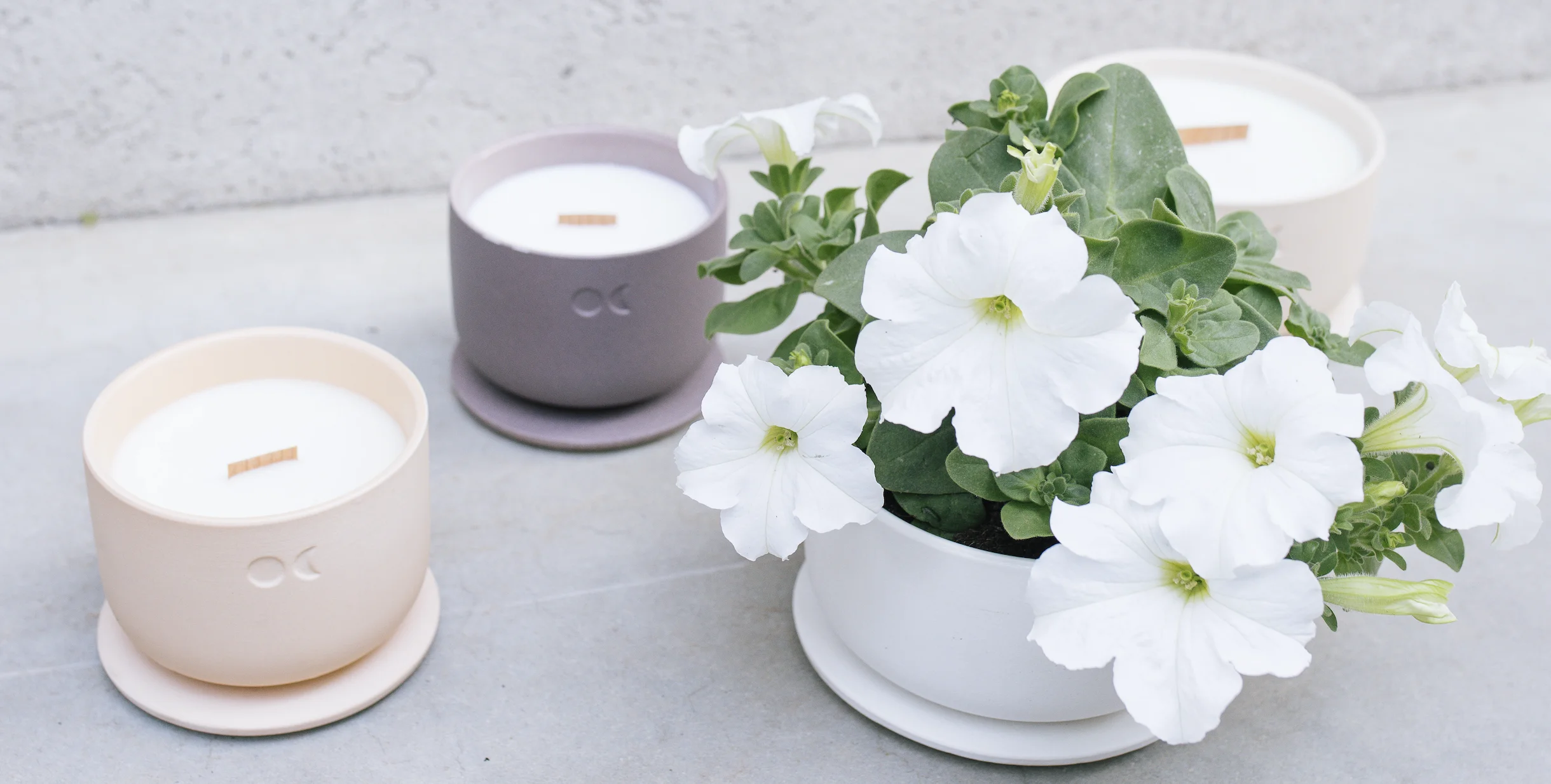
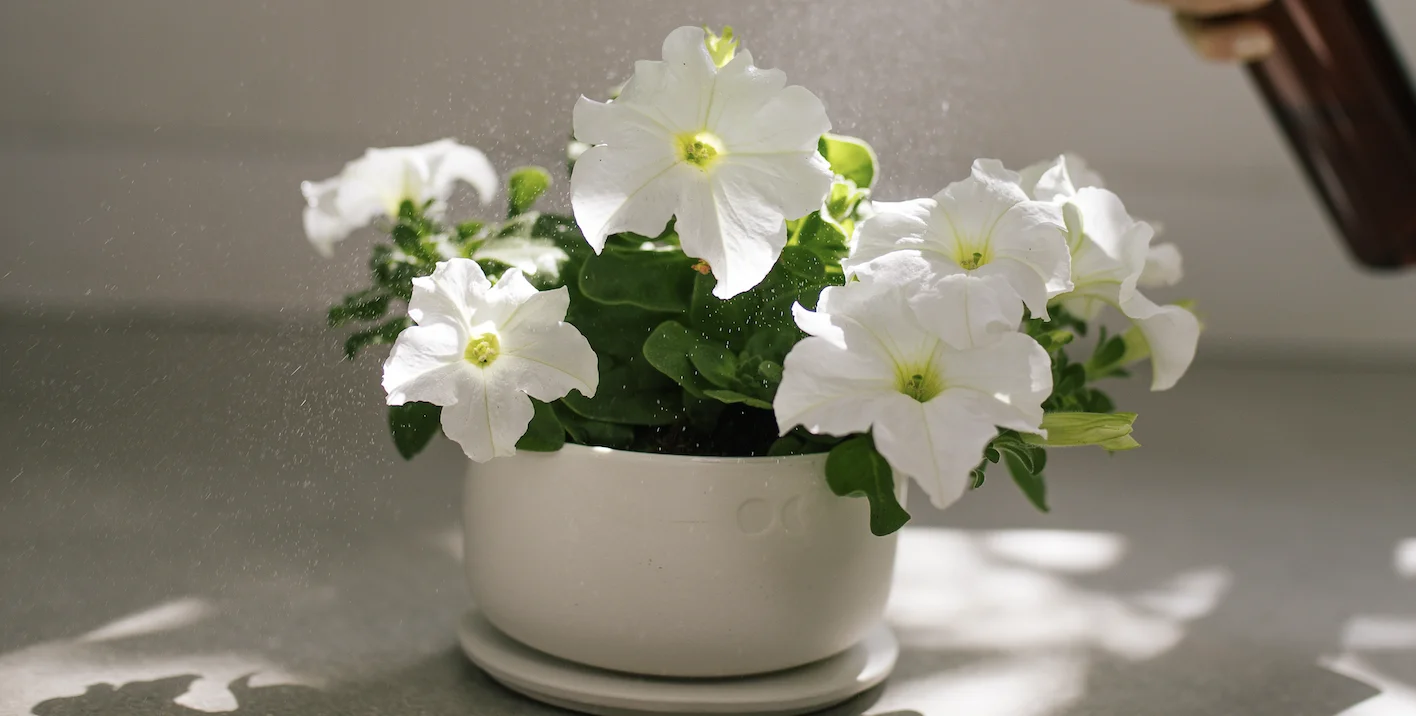
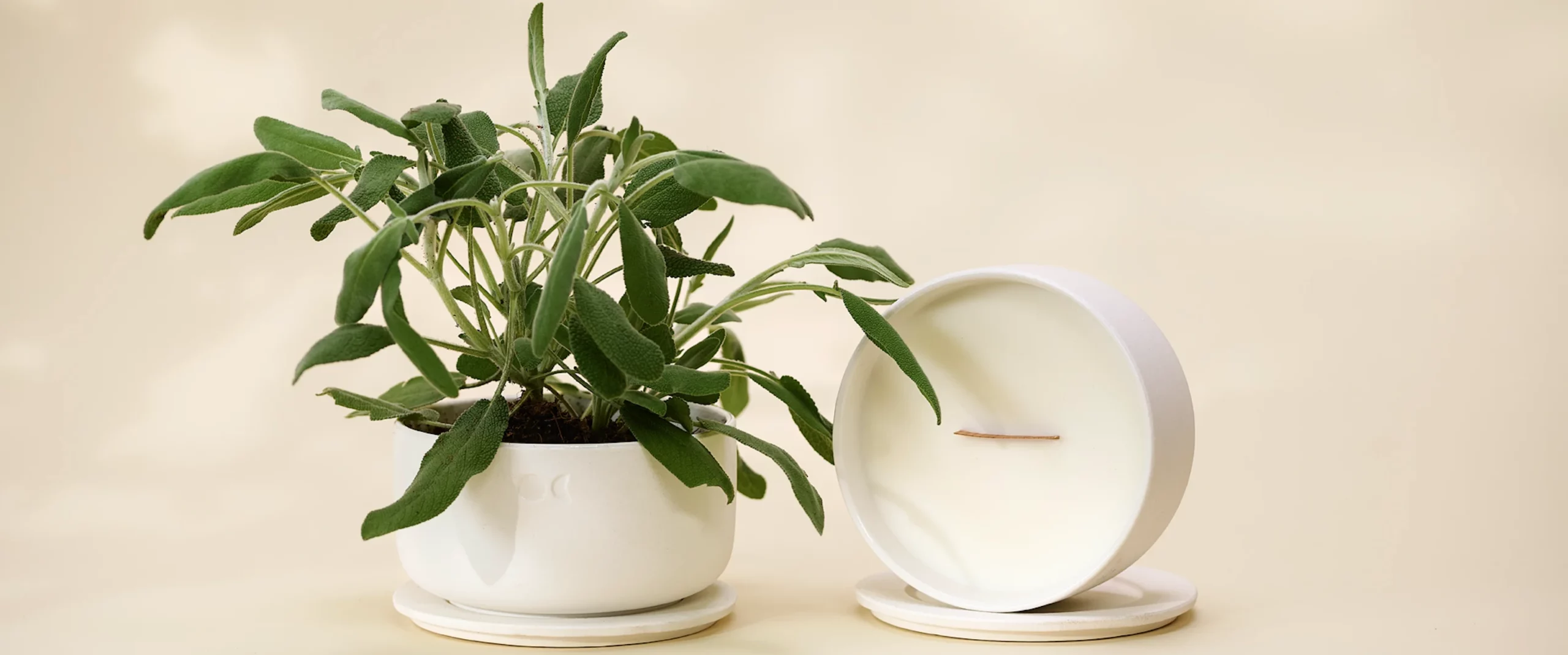
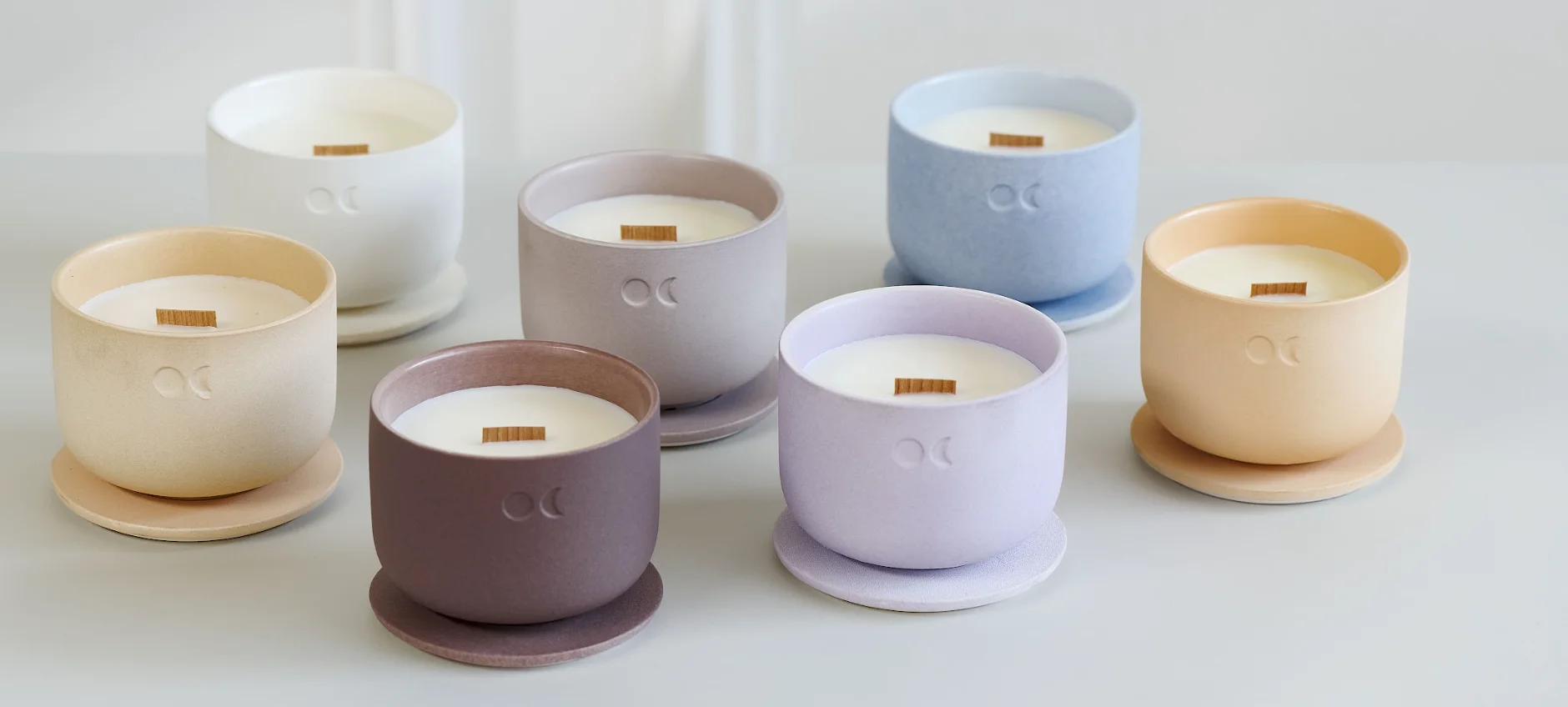
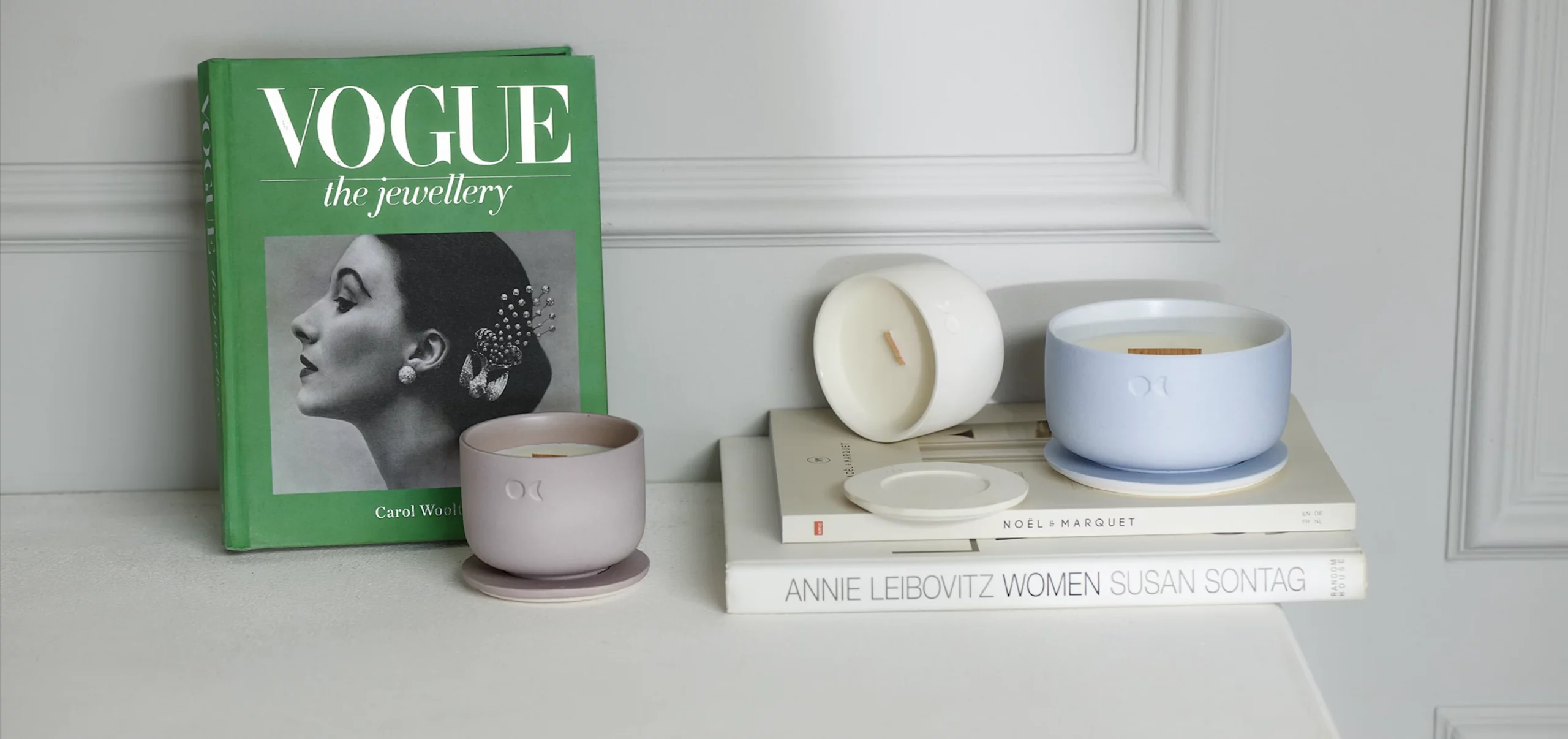
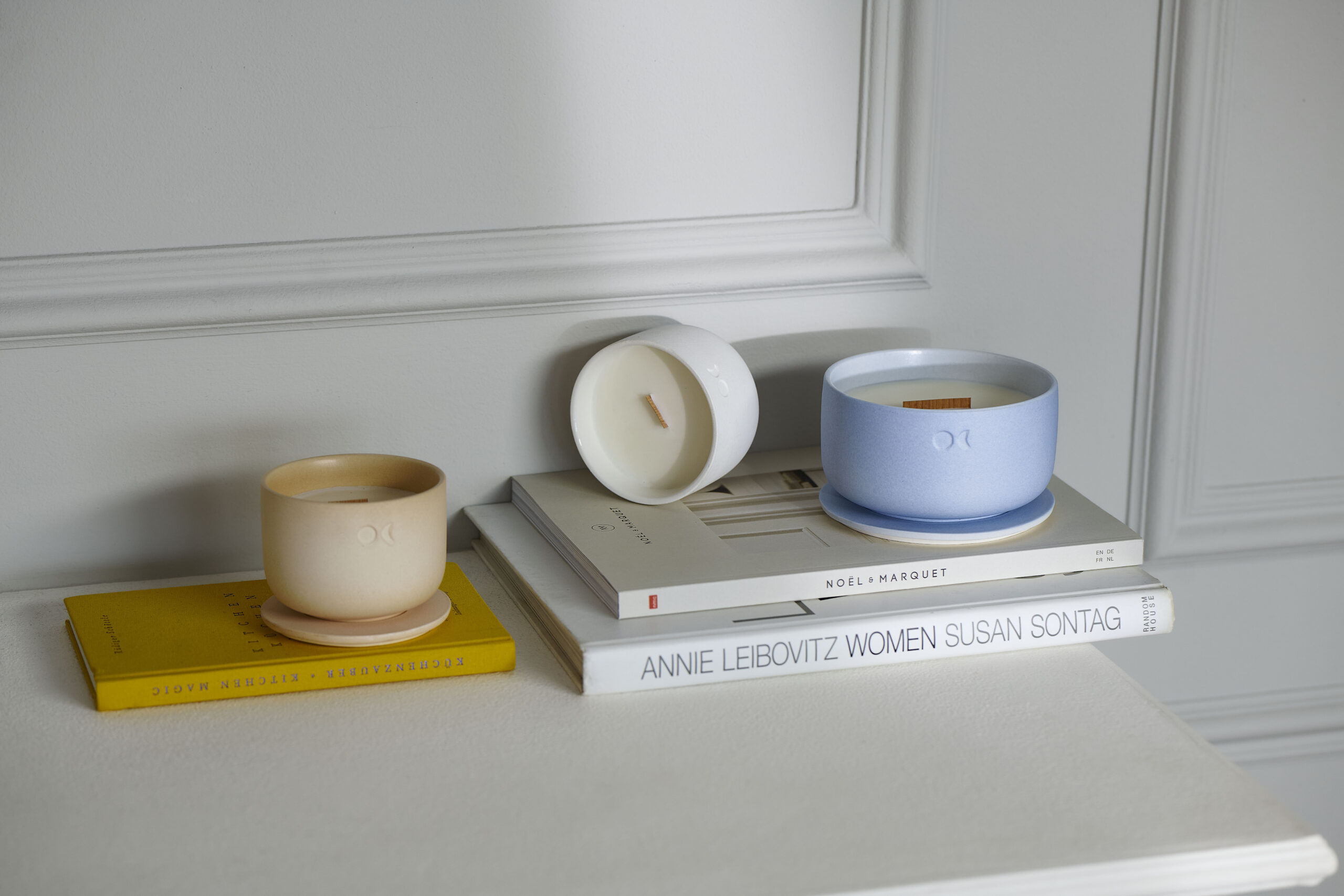
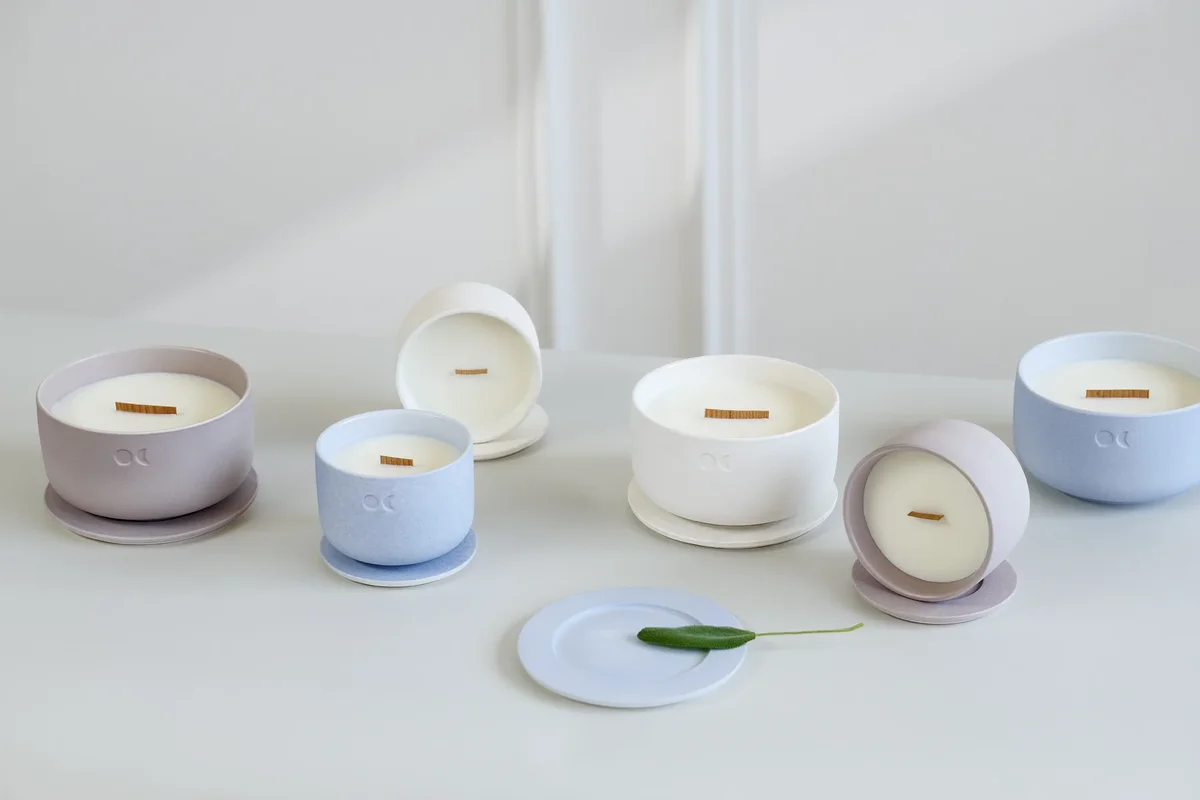
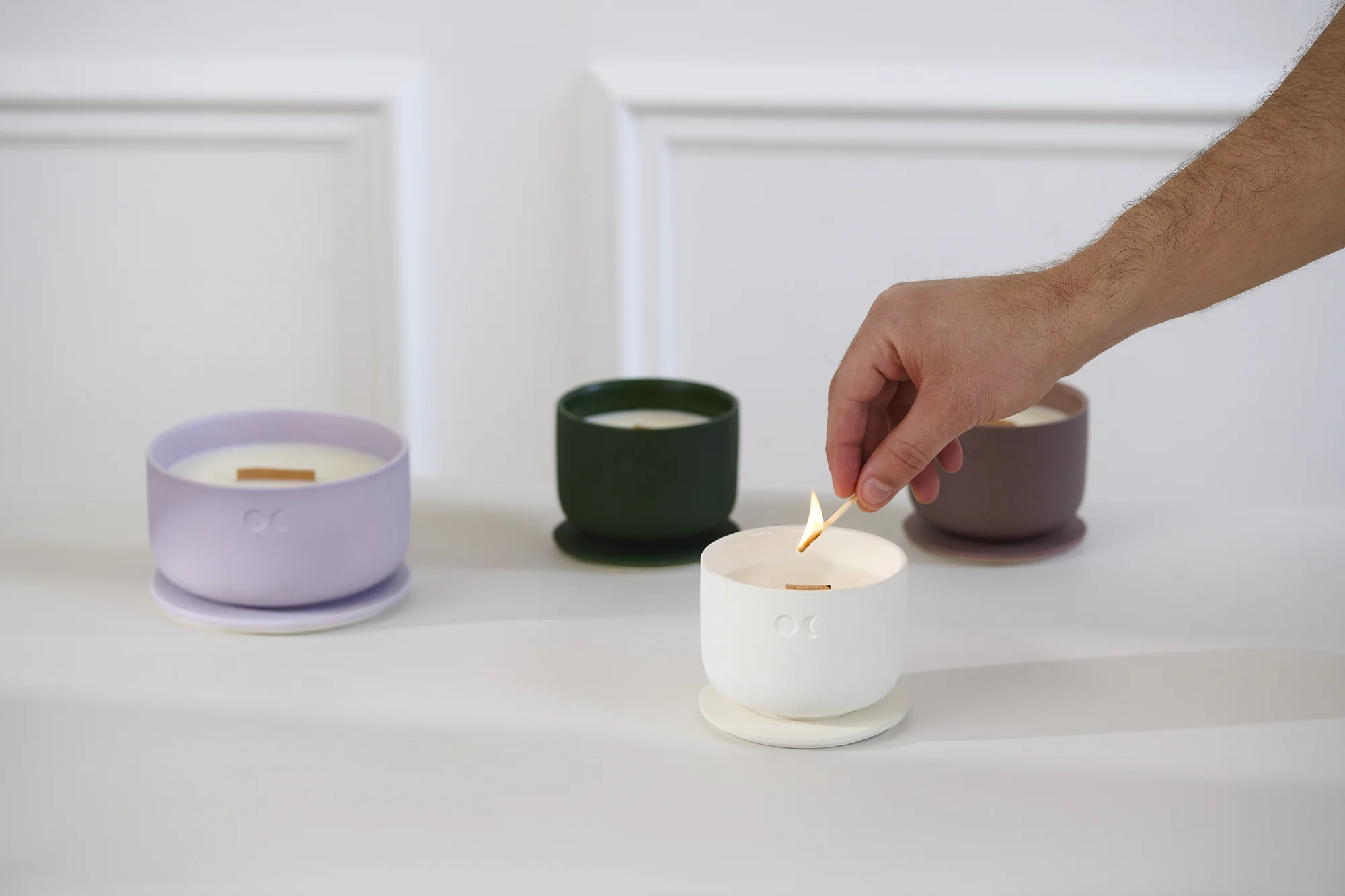
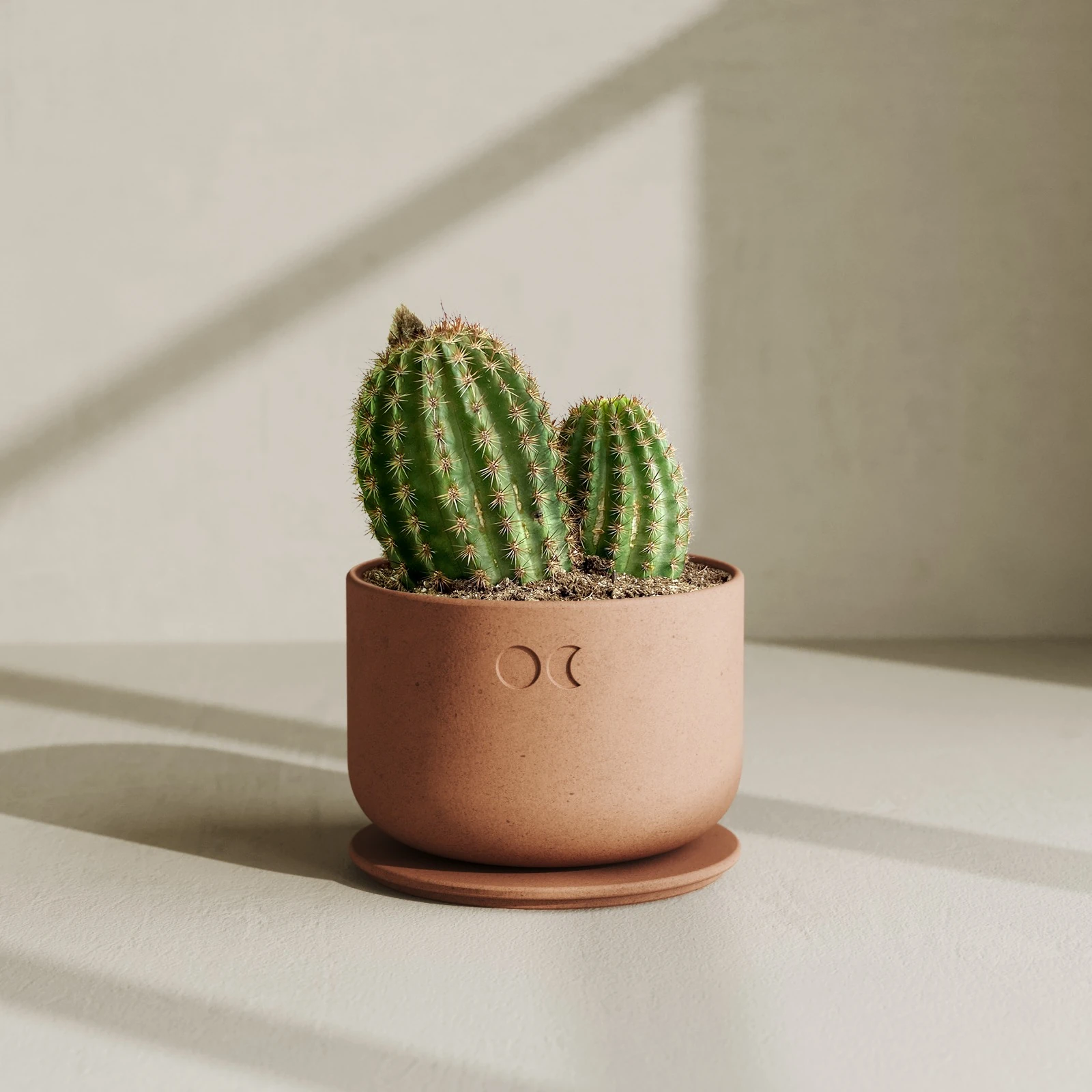
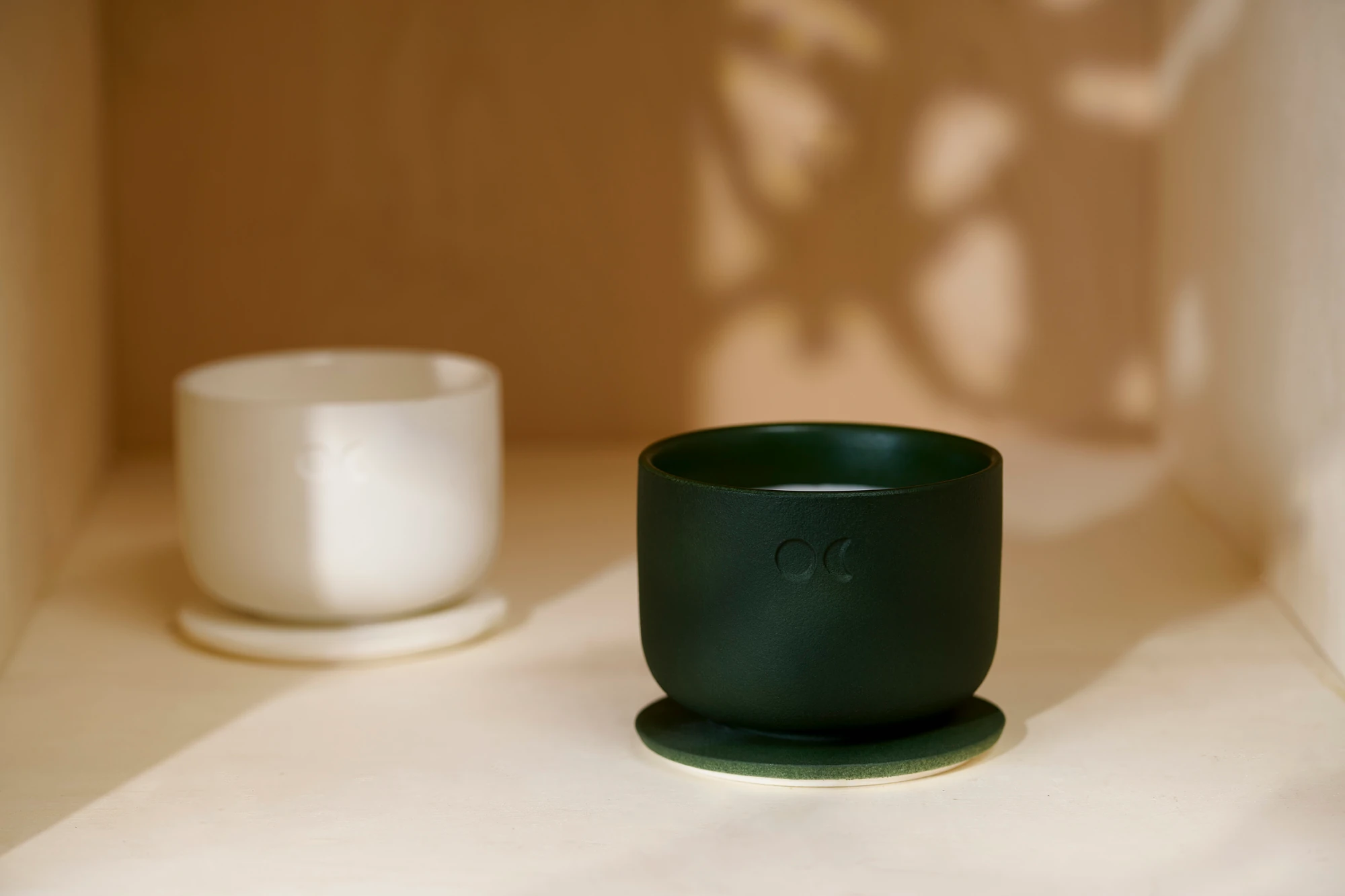
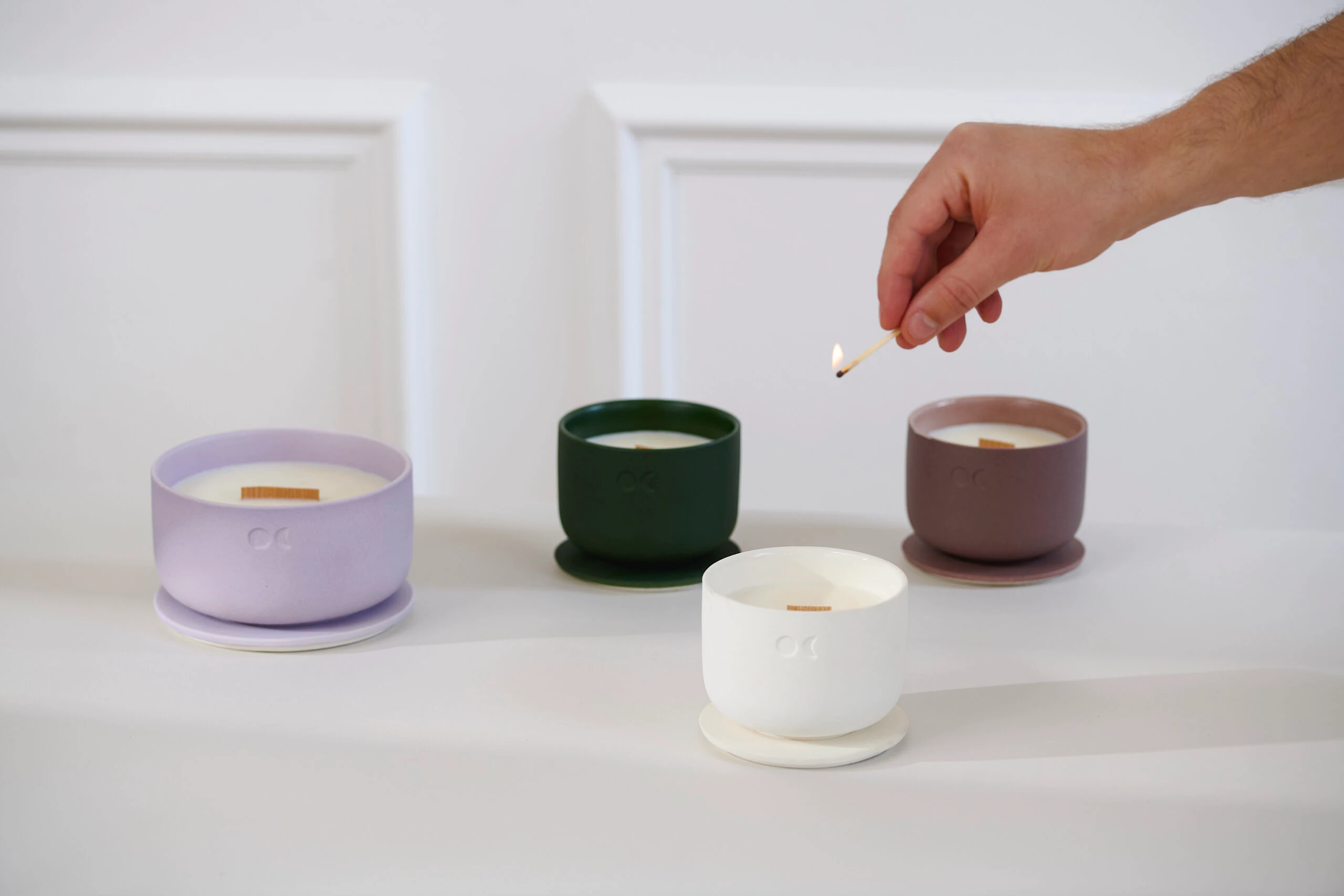
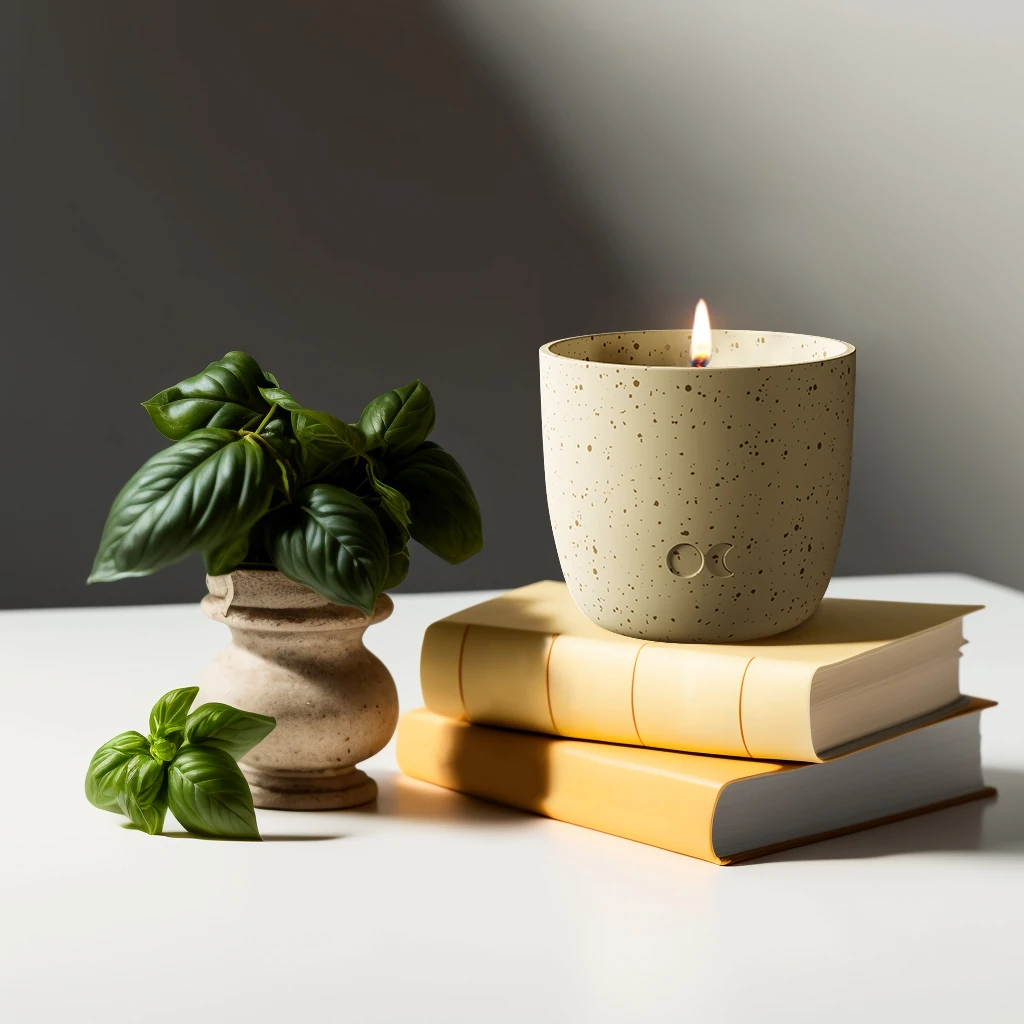
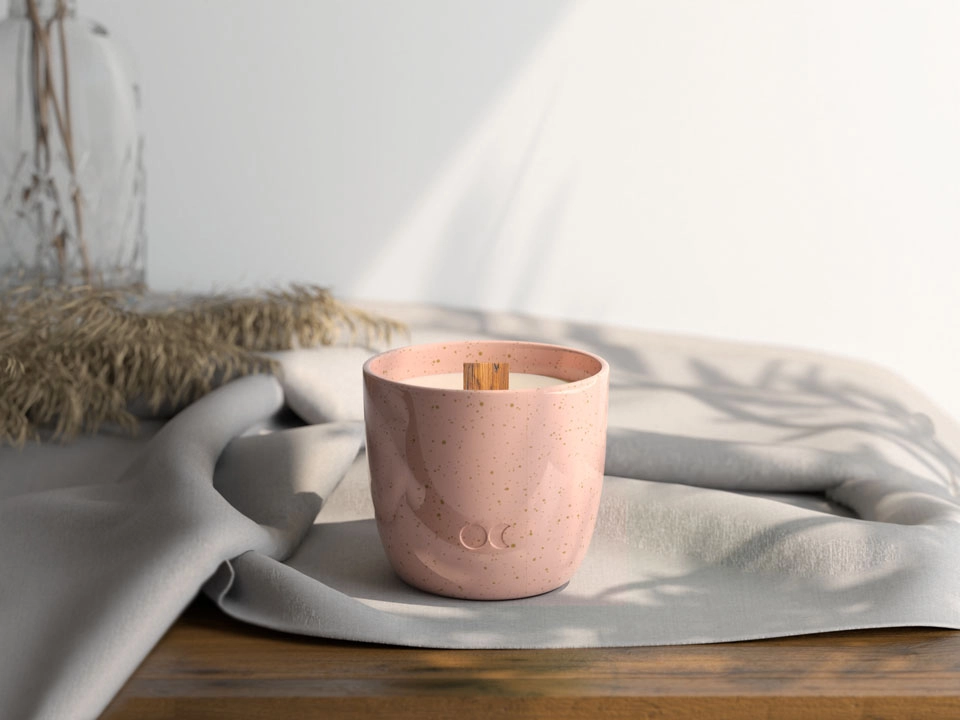
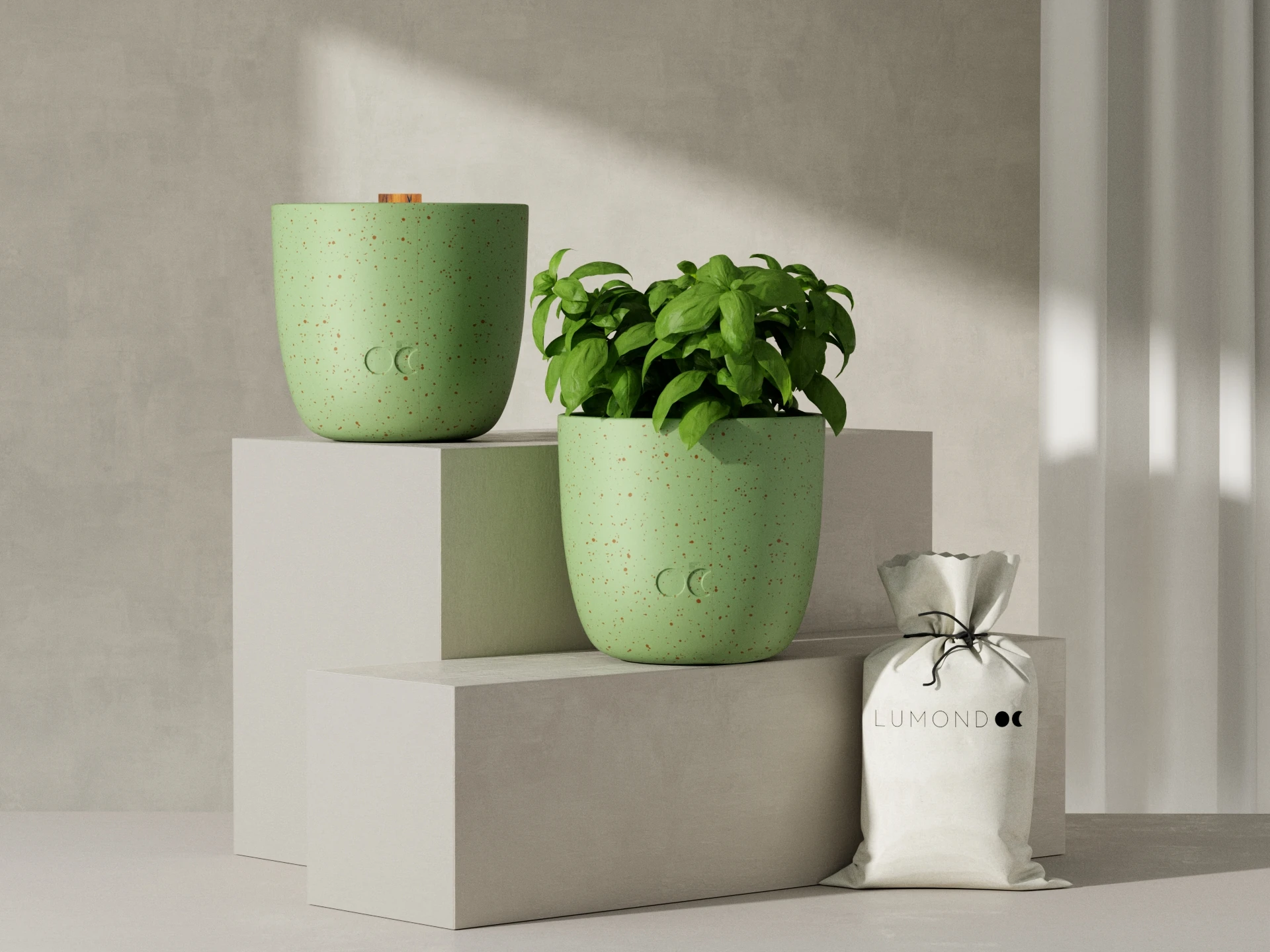
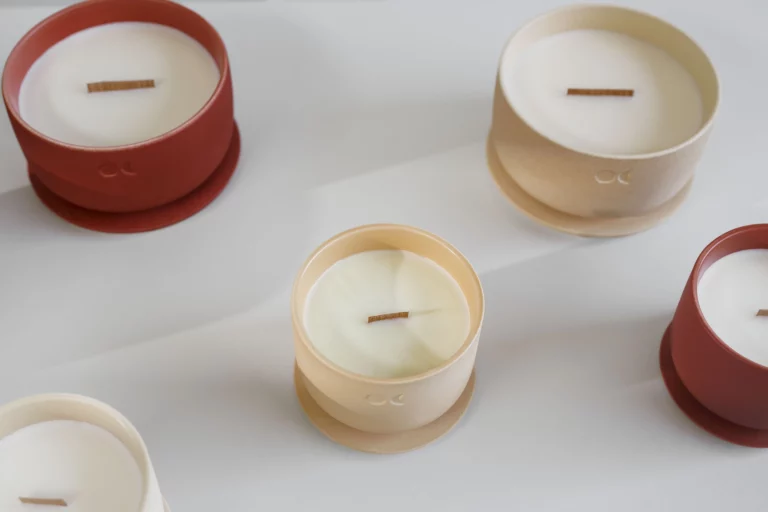
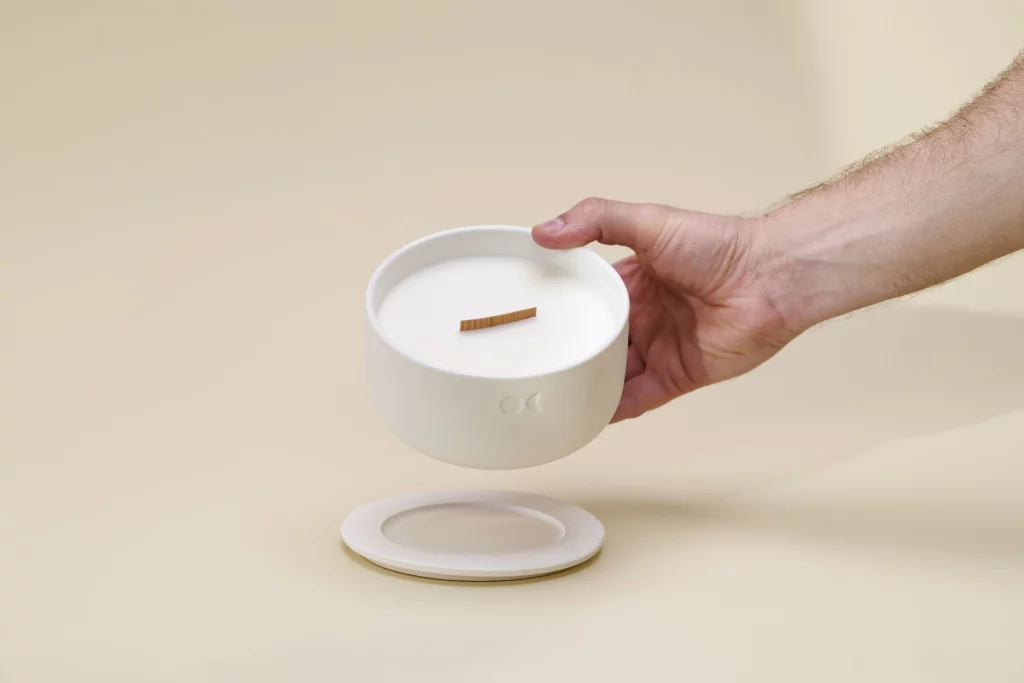
Lumond offers high-quality soy wax candles manufactured in Germany. Each Lumond candle comes in a stylish container that isn’t thrown away after burning. You can reuse it as a planter. Each candle contains seed paper. After burning, you can plant something new in your new pot. This is sustainable and practical. Something new emerges from the old.
Lumond appeals to environmentally conscious customers who value sustainability and aesthetics. The candles represent responsible resource management without compromising on style. With Lumond candles, you get atmospheric light, a piece of nature, and the opportunity to be creative yourself. Candles can be much more than just a light source. Every candle contains history and science. From primitive fat lamps to Lumond candles – the development of candle materials shows technological progress and growing environmental awareness.
When you light a candle, think about the millennia of human ingenuity. Whether you like beeswax, prefer soy wax, or choose Lumond candles for sustainability – each candle has its own quality. Light your candle and enjoy the light. Perhaps you’ll try something new with your next purchase. The world of candles still has many surprises.