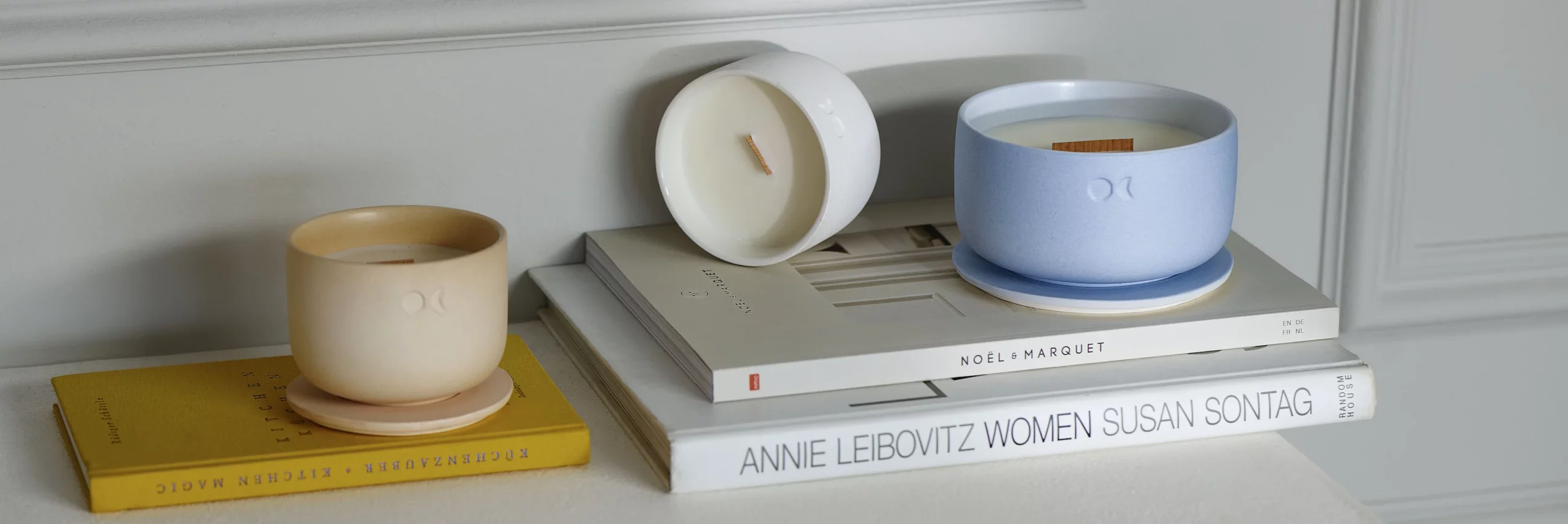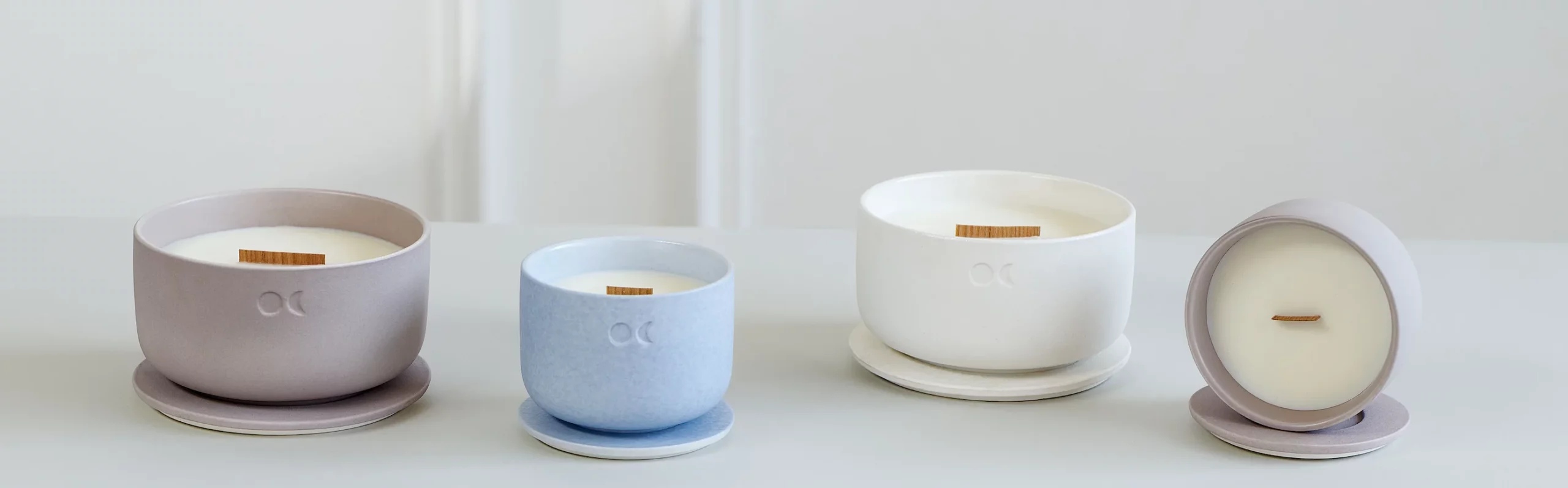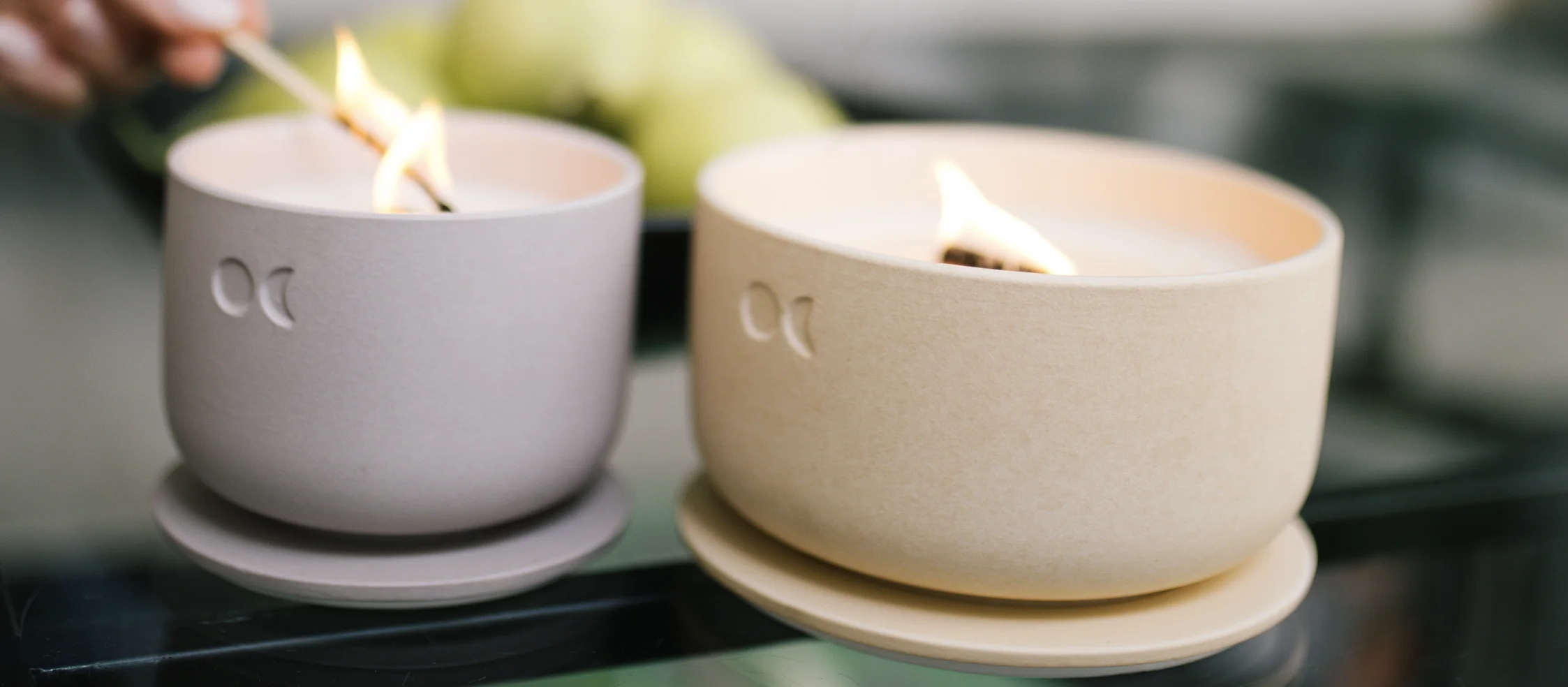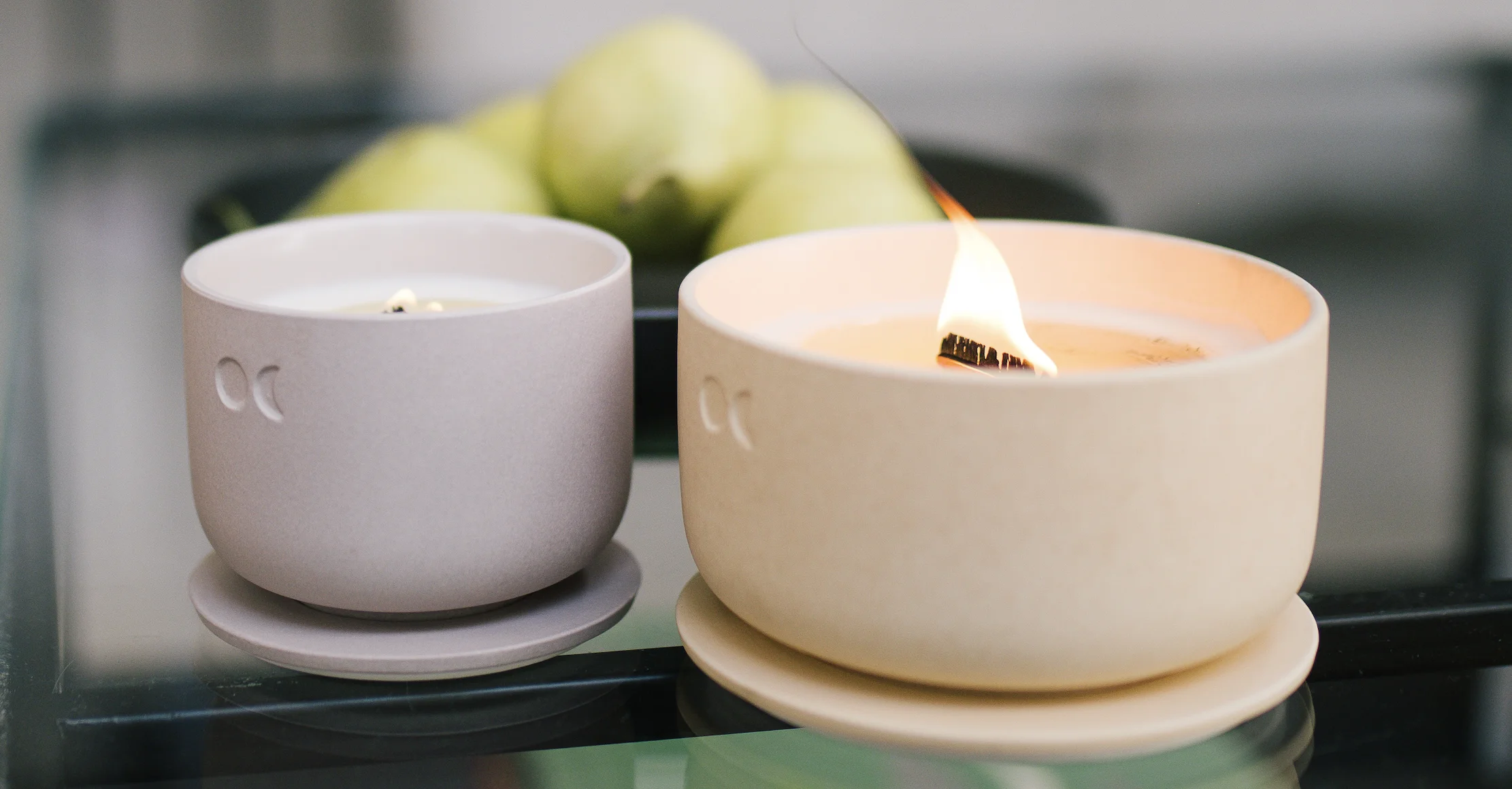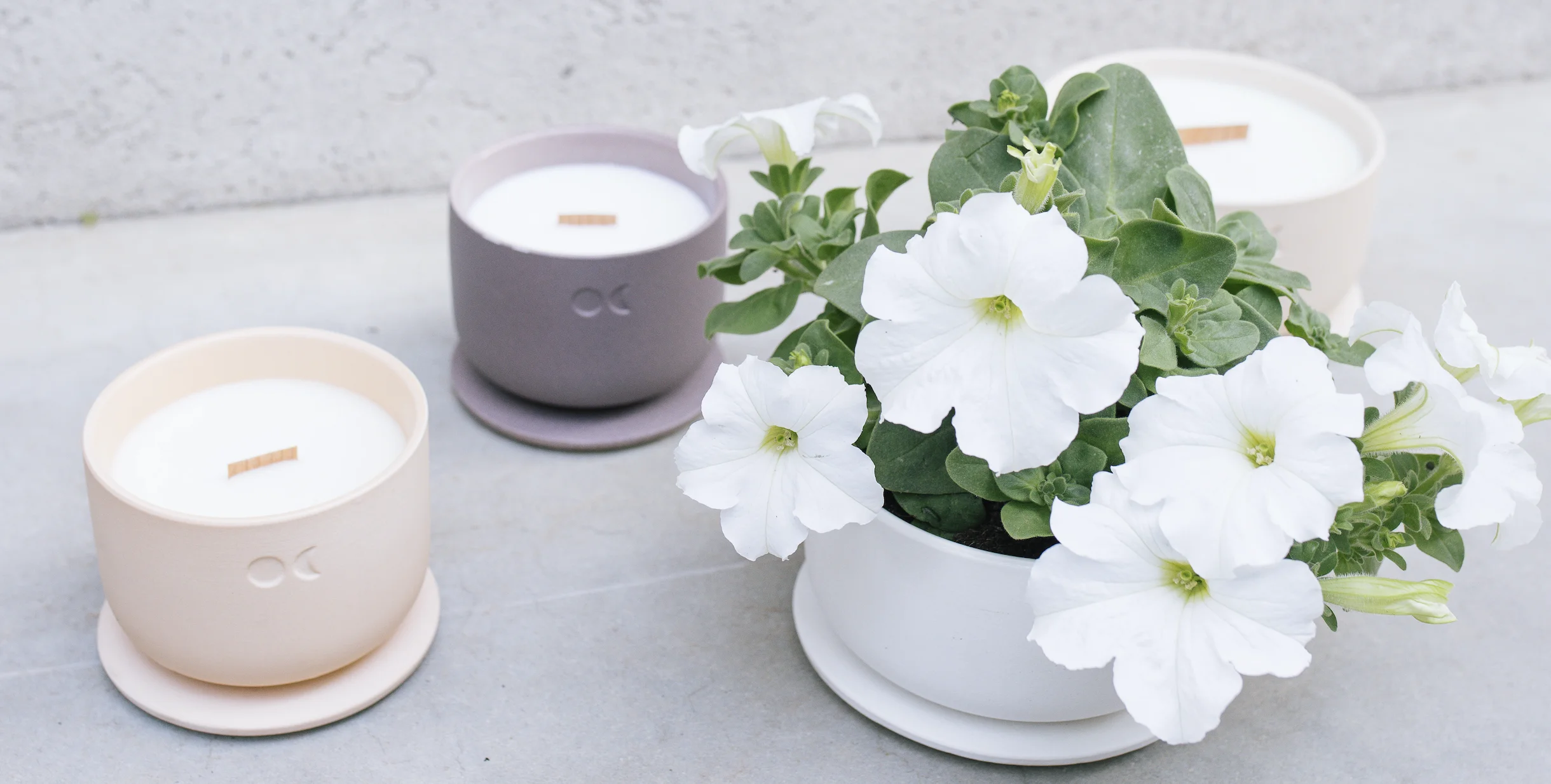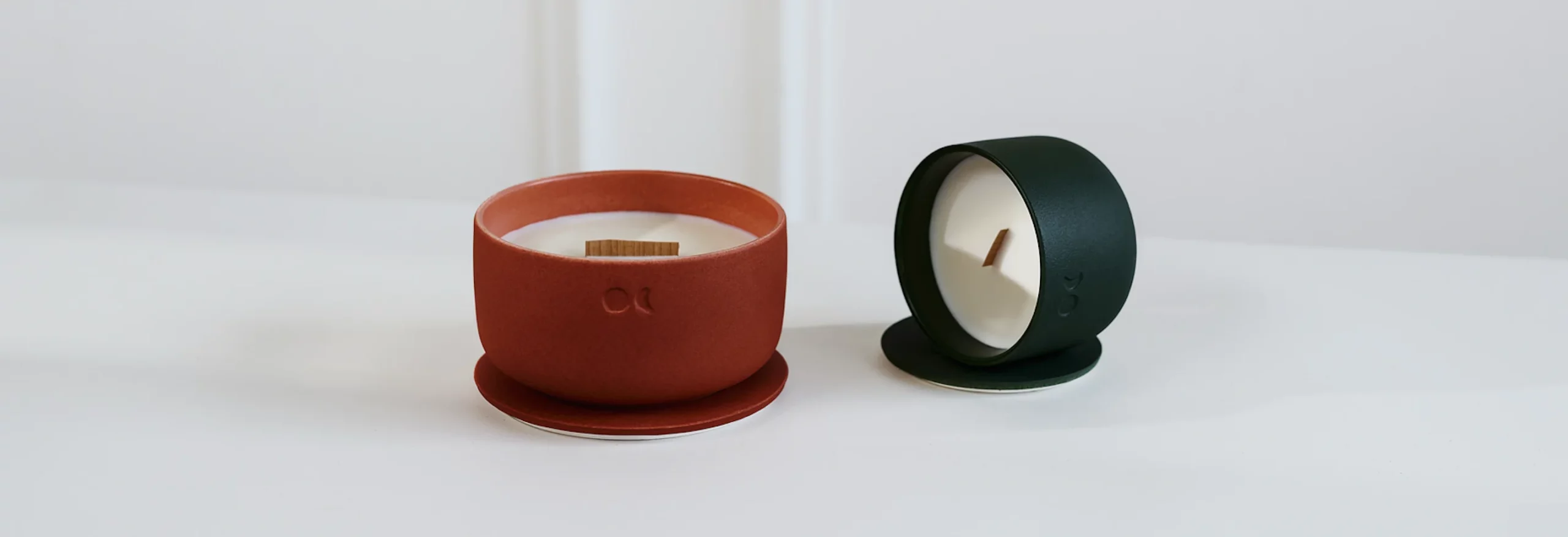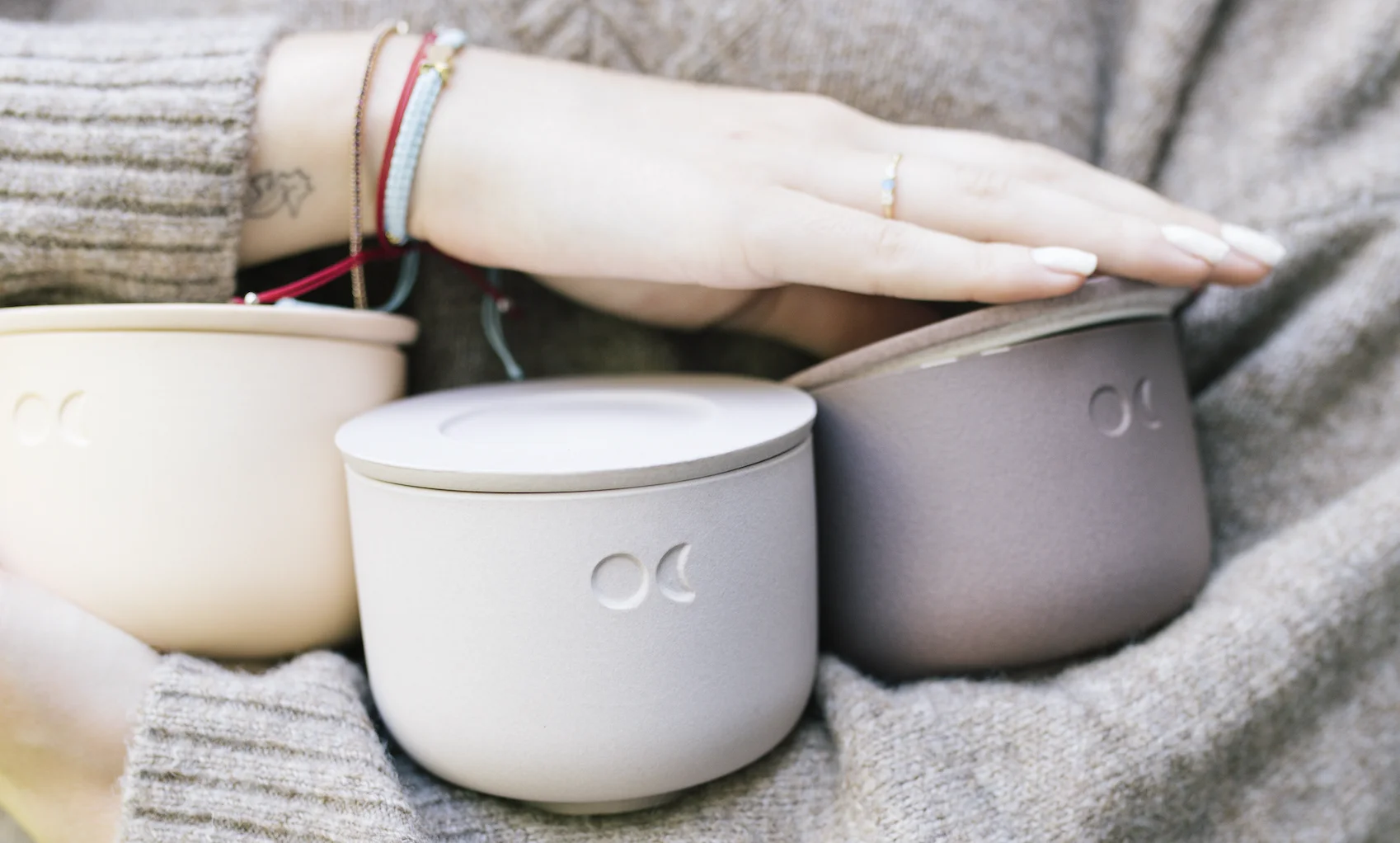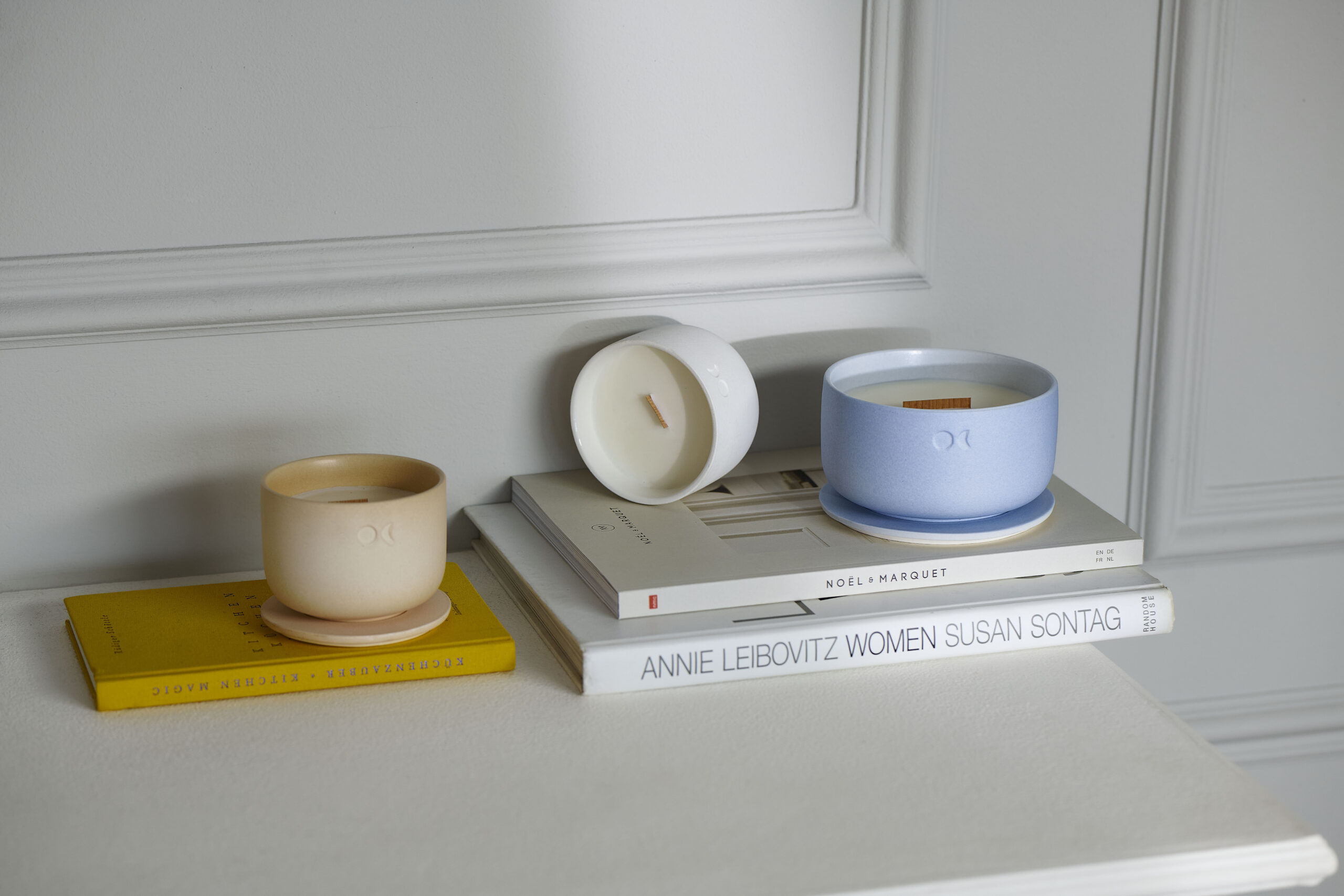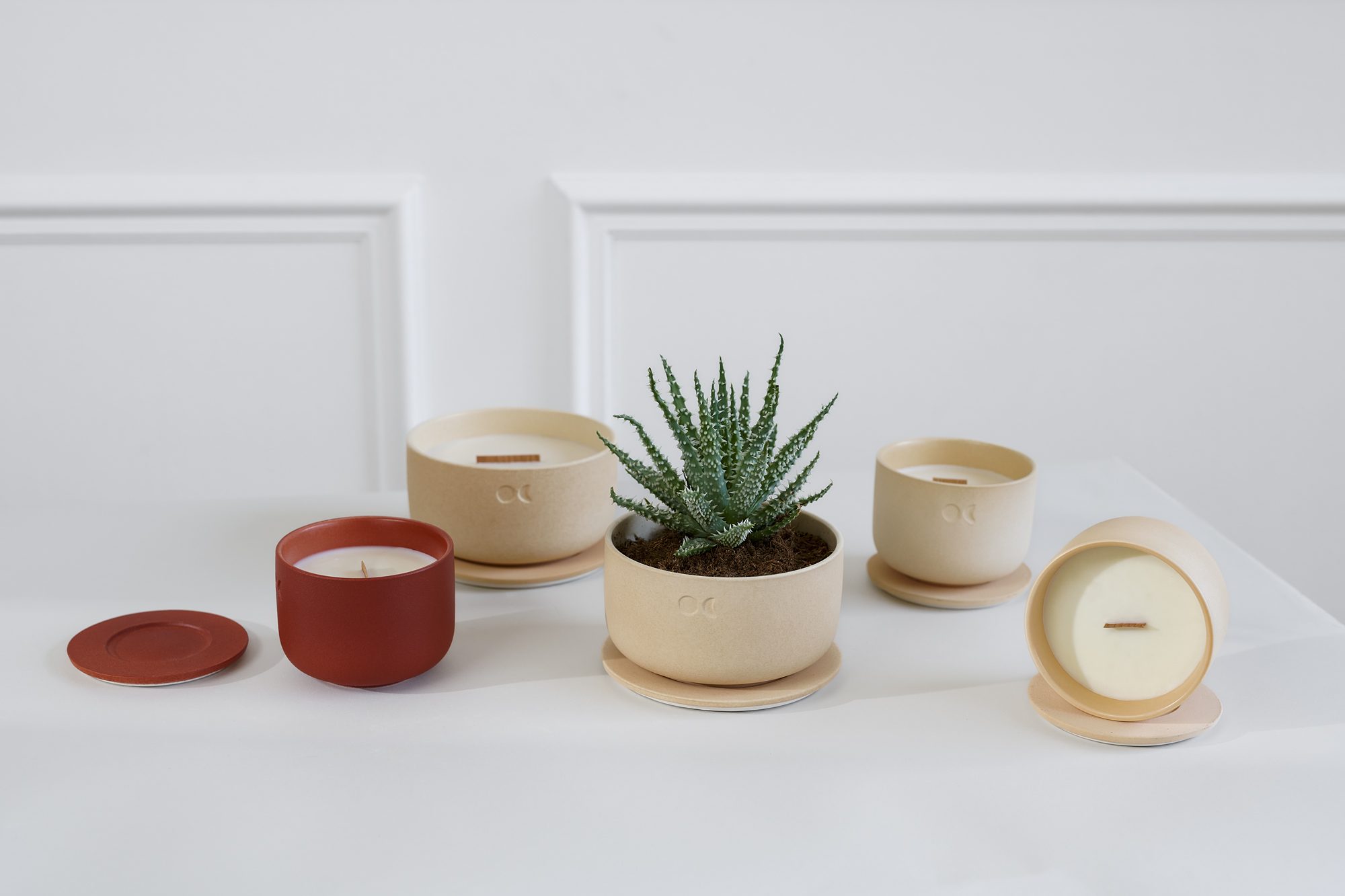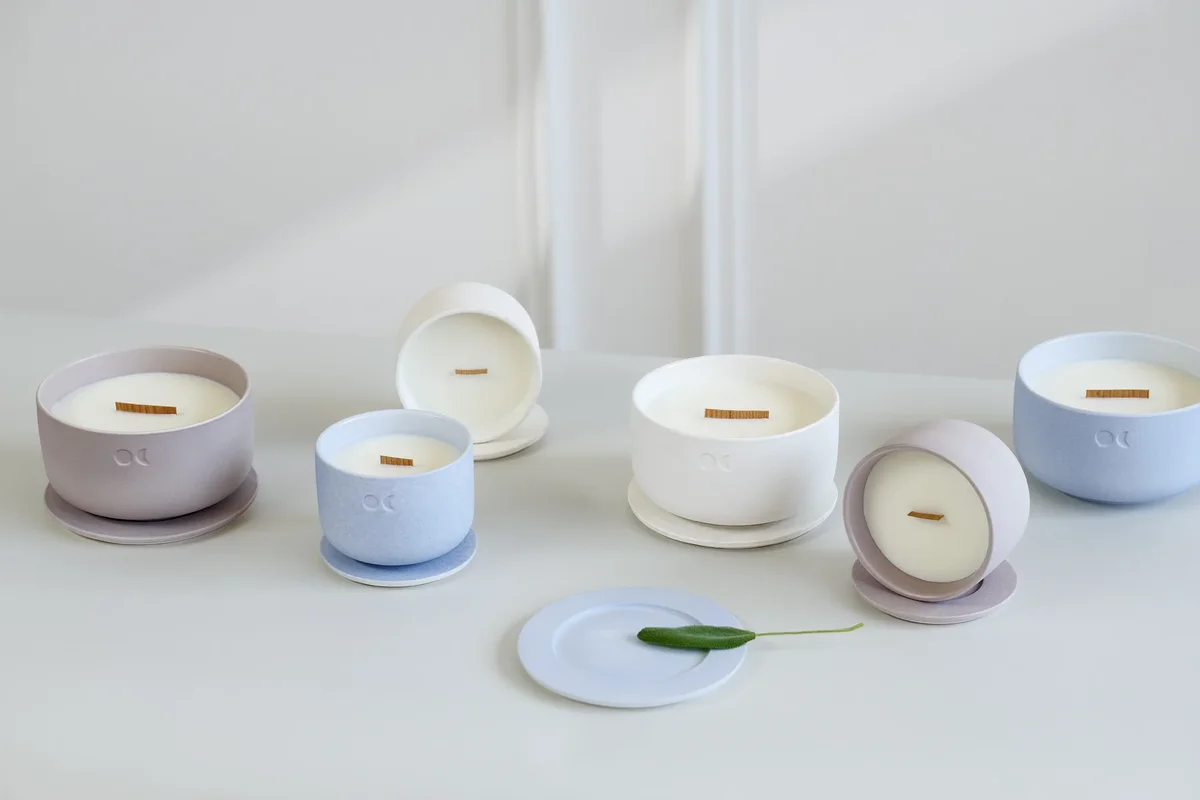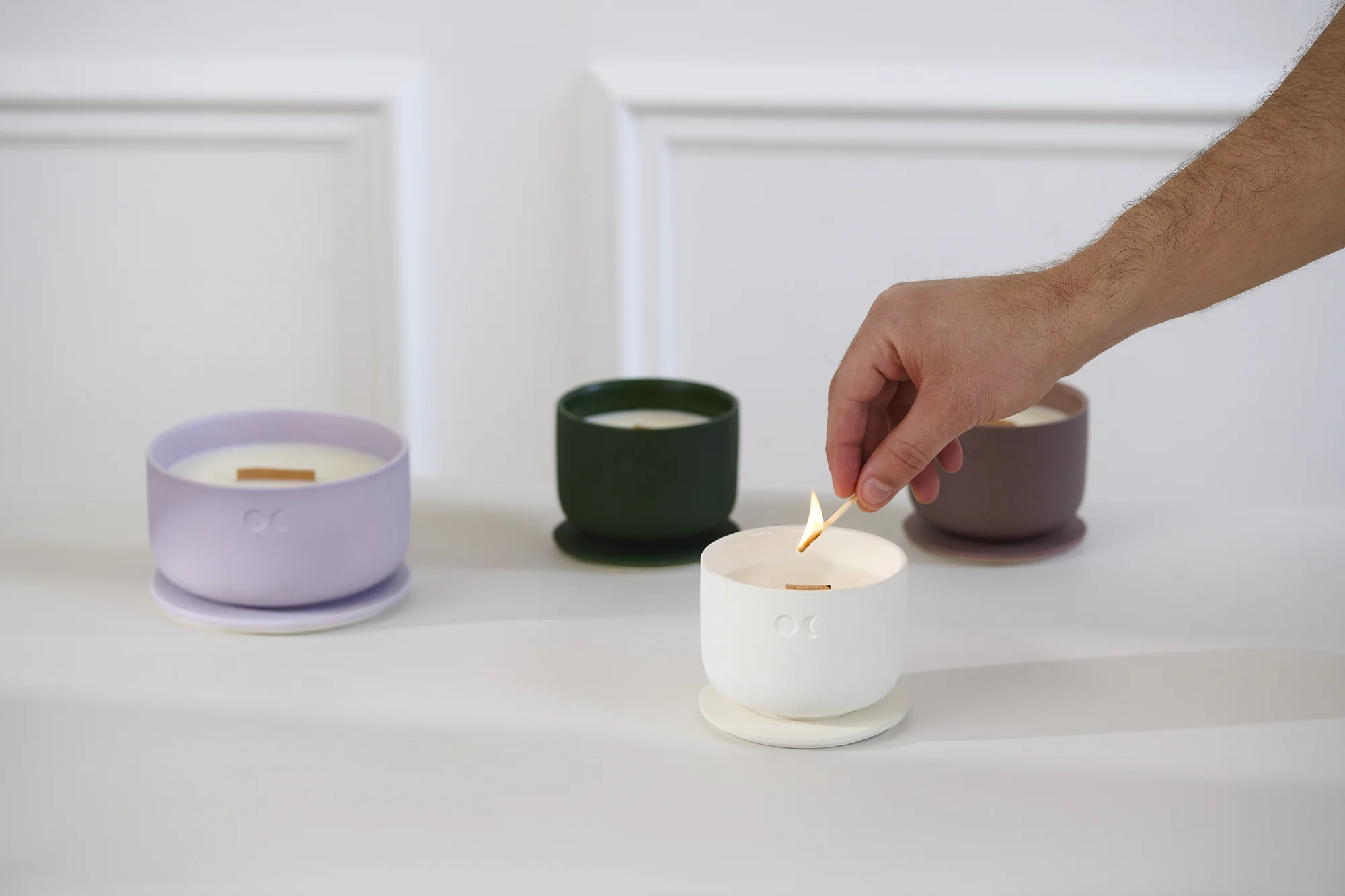

Scented candles are often used to fill rooms with pleasant aromas, yet many people use them for more than just atmosphere. Aromatherapy, which relies on plant essences to promote physical and emotional well-being, plays a role in this. In the following sections, we examine findings from studies, evaluate whether these effects are well-founded, highlight potential drawbacks, and provide tips for safe use. Whether you want to relax or explore supportive effects, well-informed information helps you make smart decisions for your routine.
Important Benefits for Well-being Through Scented Candles
Scented candles work by releasing aromatic compounds from essential oils into the air when burning. When inhaled, these interact with brain regions that control emotions, memories, and responses to stress. Below are the key benefits, supported by research:
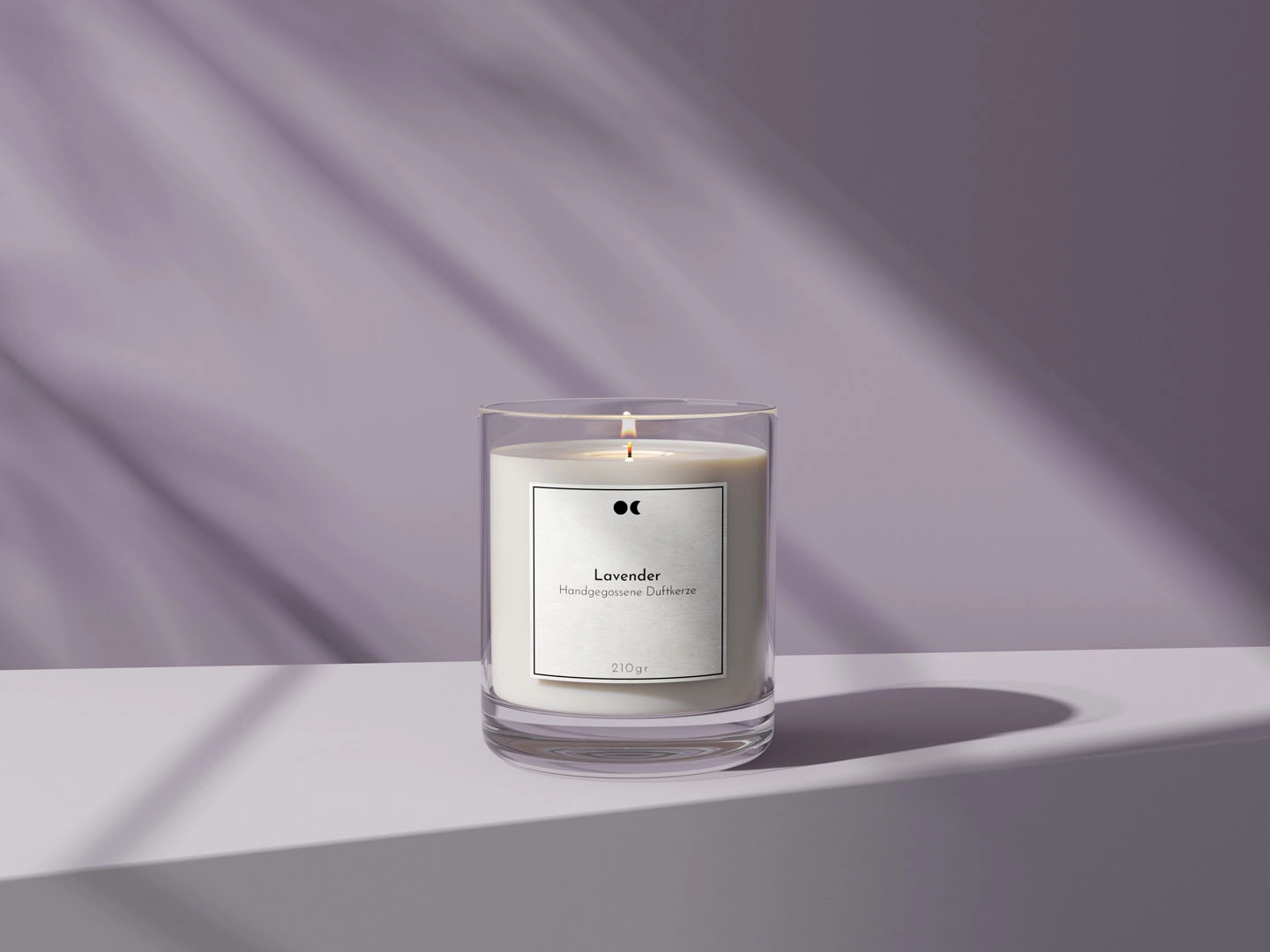
- Relief from tension and promotion of calm: Studies suggest that certain scents can reduce restlessness. For example, candles with lavender can have a calming effect by reducing anxiety. Generally, such products influence emotions and stress, with some scents directing pulse, blood pressure, and neural patterns into a relaxed state. Such methods are associated with significant reductions in stress and create a calm environment, especially useful after a demanding day. Further research shows that scents lower stress hormones like cortisol and thus support coping with daily demands. Regular use could help manage persistent stress from work or life changes, as scents activate calming neural pathways.
- Improvement of sleep: Certain scents, such as lychee, seem to promote sleep. A small study with 26 adults and elderly people found that inhaling lychee-scented soy wax candles 20 minutes before sleep, three times weekly over a month, brought clear improvements in sleep quality compared to a control group, although stress levels remained similar. Oils like chamomile or lavender are often used to calm thoughts and prepare the body for the night. Further analyses suggest that aromatherapy helps with disrupted sleep patterns, possibly by balancing waking and recovery phases. This could be particularly useful for shift workers or during temporary disruptions from travel or events.
- Mood elevation and support of emotional balance: Scents can increase concentration and promote emotional stability by reducing signs of restlessness and depression. Studies have examined applications for pain, worries, and insomnia, with laboratory tests showing that oils partially outperform conventional treatments against microbes. Candles with fresh notes of fruits or herbs like peppermint promote a positive environment and clearer thinking. Recent research connects them with the relief of side effects from serious treatments, such as nausea in healthcare, or support with emotional burdens. Some help with headaches, digestive problems, or joint swelling, thus expanding their role in daily life.
These effects often come from high-quality products with real plant oils rather than artificial additives, which provide an authentic experience.
Is This Method Credible? An Assessment Based on Evidence
The idea of using scented candles for well-being sounds appealing, but the evidence varies. This practice dates back to ancient traditions and has some current confirmation, but is not a proven remedy. Smaller studies, such as those on lychee candles, show initial hints of support for sleep and relaxation, but limitations such as low participant numbers, lack of controls for habits like caffeine consumption or room conditions limit clear conclusions. More comprehensive analyses of plant oils show promising laboratory results, but applications in humans deliver inconsistent results, often more anecdotal than robustly proven. Recent reports from 2023 and later confirm potential for emotional stability, pain management, and sleep, but call for larger, rigorous trials.
In summary: The method has substance, especially as a supplement for mild problems like occasional tension or sleep disorders. However, it does not replace professional care or established approaches. For persistent issues like constant restlessness or sleep difficulties, professional advice takes priority over using such products alone.
Possible Drawbacks and Concerns
A discussion about scented candles must also address possible problems. Lighting, especially scented varieties, can release unwanted substances into the air:
- Effects on indoor air: Paraffin candles release substances like benzene, formaldehyde, and related volatile compounds that are linked to long-term risks such as tumors and pollute indoor air. These can cause dizziness, headaches, respiratory irritation, or long-term increased risks for certain diseases. Recent findings show reactions with air substances like ozone that form particles that could harm, or connections to heart and lung problems with decorative varieties.
- Triggers for sensitivities and respiratory problems: They can trigger attacks in people with breathing problems, allergies, or chronic lung conditions, with symptoms like tightness, wheezing, or coughing. Lower-quality options with artificial scents and colors increase these risks. Reports suggest problems like shortness of breath or headaches with prolonged contact.
- Other health effects: Prolonged use in closed rooms could disturb body balances or cause rare conditions like wax deposits in the lungs from vapors. Environmental aspects include resource consumption during manufacturing.
Positively, concerns are lower with careful handling. A 2014 review found that fine particles in ventilated rooms hardly cause harm. Current views suggest that normal use does not cause widespread damage, with caution appropriate for frequent use.

Practical Tips for Safe Enjoyment of Scented Candles
To maximize benefits and minimize risks:
- Choose natural waxes like soy, beeswax, or plant blends instead of paraffin.
- Opt for candles with real plant oils as fragrances, avoid synthetic variants.
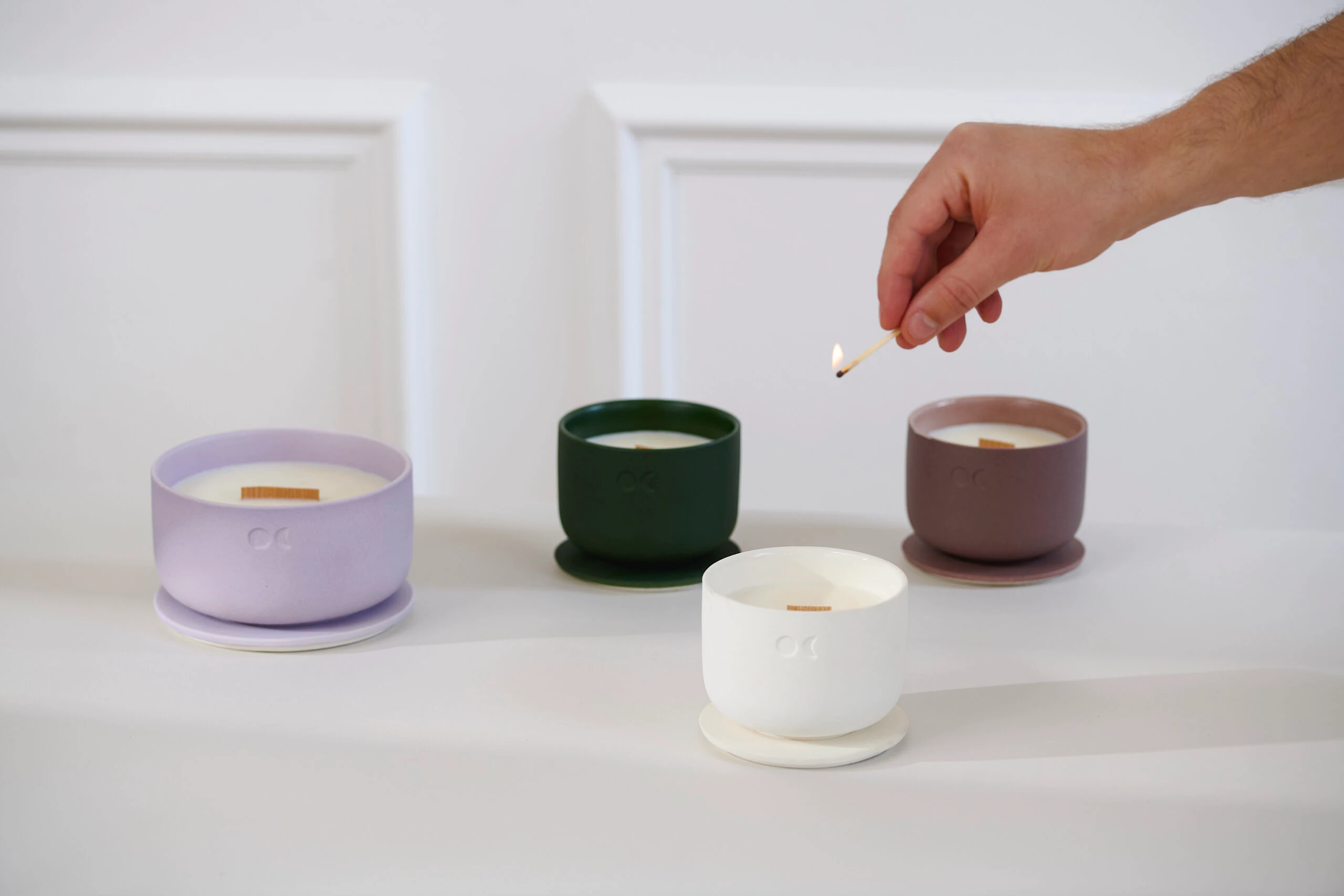
- Use them in well-ventilated rooms, trim wicks to about 5-10 mm, and extinguish them with a snuffer tool.
- Limit burning time to 1 to 4 hours and avoid use with respiratory sensitivities.
- Never leave candles unattended to prevent accidents with flames.
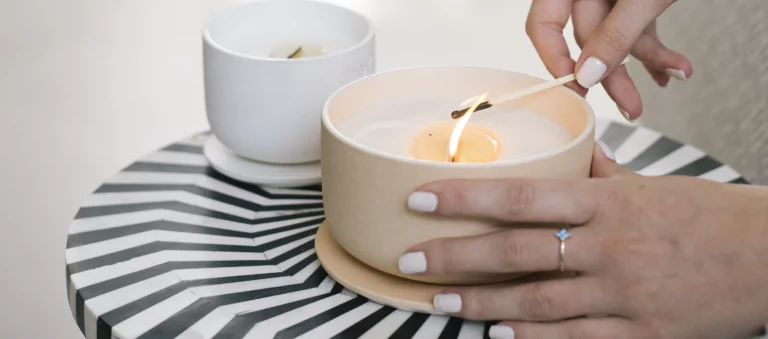
- With new candles, let the surface melt completely during the first burn to prevent uneven burning.
- Place them on stable surfaces, away from drafts or busy pathways, for even distribution and safety. Make sure the composition fits the purpose, as some oils diffuse poorly or can be risky with improper handling.
Final Thoughts on This Method
Scented candles offer a pleasant way to support daily well-being, with studies documenting their effects on stress relief and mood improvement, yet they are not a complete solution. The plant-based scents add an enjoyable touch and make them suitable for personal care, especially with high-quality selection. However, the effects on air quality cannot be overlooked, particularly for sensitive individuals. When a retailer emphasizes environmentally friendly, pure products and educates about proper use, this approach is useful and responsible. Balance counts: light for mood, but stay informed through the facts. For health questions, advice from professionals surpasses any candlelight.